Is it the sweeping bay view, the concierge desk, or the HOA line items that move a downtown Sarasota condo from nice to must‑have? If you are comparing listings across the city core, it can be hard to pinpoint why prices vary. You deserve a clear, practical way to read the market and make confident decisions. This guide gives you a simple framework to value what you see online and during tours, and it shows you what to verify before you bid. Let’s dive in.
Why downtown Sarasota commands a premium
Downtown Sarasota draws buyers for its lifestyle as much as its square footage. You can walk to dining and small retail, enjoy arts and theater like the Sarasota Opera and Van Wezel, and reach the Bayfront and area beaches with ease. That mix attracts retirees, second‑home buyers, seasonal residents, and design‑minded professionals.
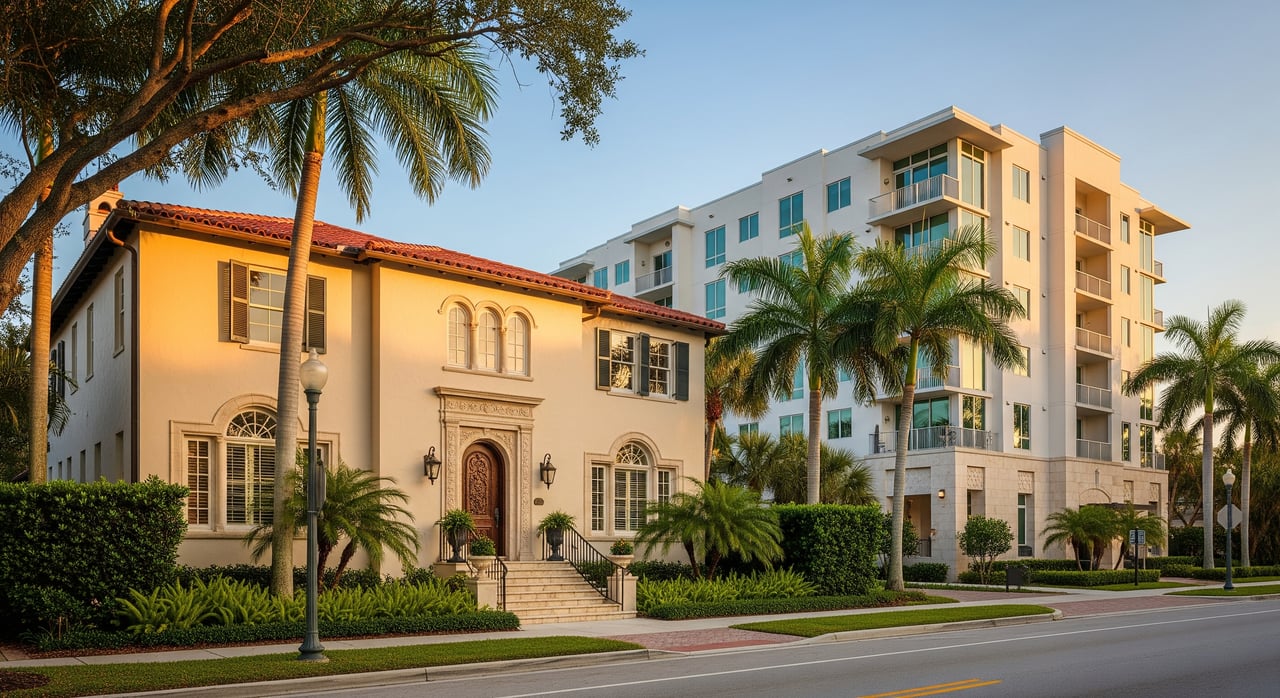
Supply is tight and diverse. You will find high‑rise towers with water views, mid‑rise masonry buildings, and boutique conversions with distinct layouts. When mortgage rates and insurance costs rise, activity can cool, but well‑located, quality units still draw attention because the lifestyle value is durable.
The 11 value drivers to watch
1) Micro‑location within downtown
Proximity to Bayfront Park, Main Street, cultural venues, and quieter streets shapes demand. End units and corners can reduce street noise and improve light.
- What to check:
- Exact address and block context
- Orientation to Bayfront Park and Main Street
- Corner or end‑unit position and exposure
2) Water views and orientation
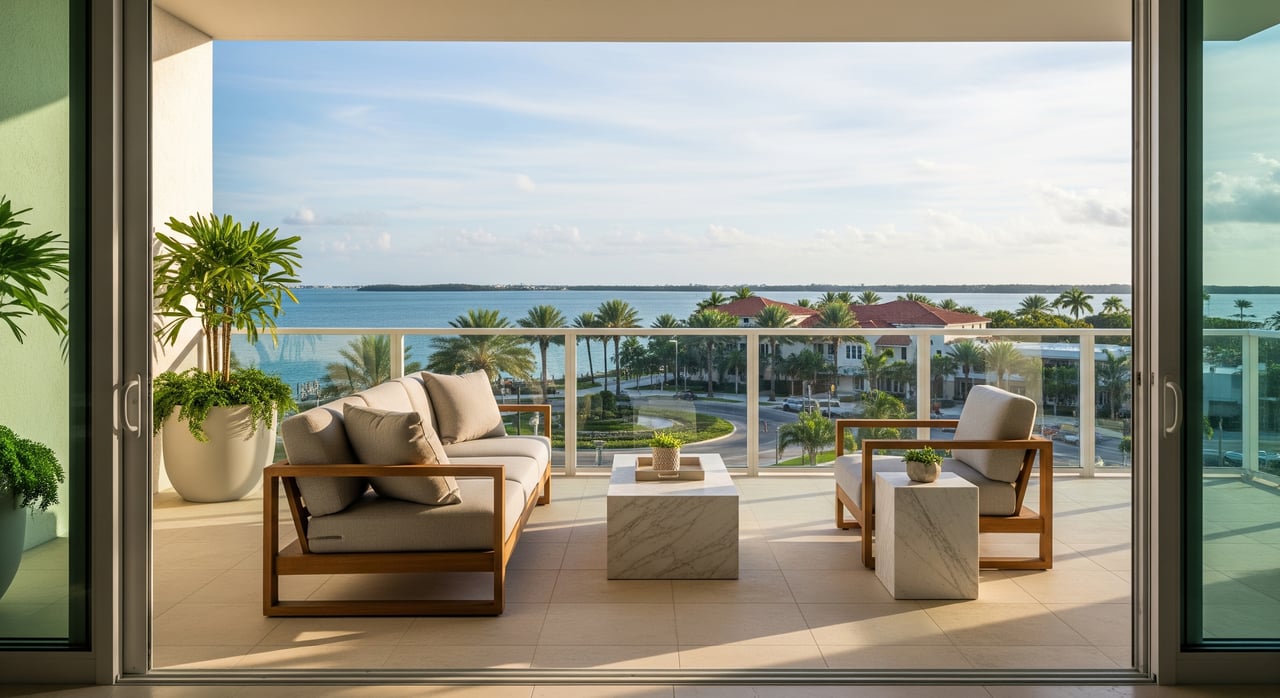
Full and protected bay views are among the strongest price drivers. Floor level and view corridor matter, and partial or obstructed views price differently than unobstructed panoramas.
- What to check:
- Full, partial, or obstructed view and whether zoning protects it
- Floor height relative to surrounding rooftops
- Any public projects that could change the view
3) Floor level and privacy
Higher floors often earn premiums for light, views, and reduced street noise. Ground levels can be convenient for pet owners or quick outdoor access but may trade at a discount for privacy.
- What to check:
- Elevator count and reliability vs. unit count
- Door buzzer and lobby security
- Rooftop or sky lounge access
4) Building age, quality, and design pedigree
Newer towers often have higher ceilings, modern systems, and stronger wind standards. Older buildings may offer larger layouts but can require more maintenance. A respected architect or developer can add perceived value.
- What to check:
- Year built and recent system or common‑area upgrades
- Developer reputation and any structural or capital project reports
- Documented renovations and materials quality
5) Amenities and services
Service level matters. Concierge, on‑site staff, fitness centers, pools, deeded garage spaces, storage, and docks can justify higher dues if well maintained.
- What to check:
- Deeded vs. assigned parking and number of spaces
- Storage type and size, climate control, and access
- Amenity hours, repair status, and whether facilities are shared with adjacent properties
6) HOA financial health and rules
Reserves, budgets, and governance directly impact value and financing. Litigation, underfunded reserves, frequent special assessments, and strict rental caps can narrow the buyer pool.
- What to check:
- Latest budget, reserve study, and YTD financials
- Board meeting minutes for 12–24 months
- Master insurance coverages and deductibles, plus any recent claims
- Pending litigation, settlement exposure, and rental policies
- FHA/VA approval status and owner‑occupancy rates
7) Insurance, flood risk, and resiliency
Coastal Florida’s wind and flood exposure affects premiums and coverage availability. Buildings with impact glass, higher elevation, or strong mitigation can be more attractive to buyers and lenders.
- What to check:
- Your address on the FEMA Flood Map Service Center
- Wind mitigation features such as hurricane shutters and impact windows
- Typical unit and building insurance costs and deductible structure
- Post‑Surfside structural inspections, reserve policies, and any required recertifications
8) HOA fees and inclusions
HOA assessments shape your monthly cost and should be weighed against what they include. Two similar units can have very different net costs based on utilities and insurance coverage.
- What to check:
- Exact inclusions such as water, cable, internet, and building insurance
- Special assessment history and recent dues changes
- Whether utilities are separately metered
9) Unit condition and floor plan
Turnkey, well‑finished units with functional layouts command premiums. Storage, closet systems, kitchen openness, and mechanical quality all influence willingness to pay.
- What to check:
- Age of HVAC and water heater
- Quality and permits for kitchen and bath updates
- Any floor plan changes and HOA approvals
10) Walkability and daily convenience
The ability to walk to restaurants, arts venues, groceries, and healthcare is central to downtown living. Transit and bike access add everyday value.
- What to check:
- Building’s Walk Score and local transit options
- Distance to grocery, pharmacy, and fitness
- Planned developments that could affect walkability
11) Parking, storage, and special features
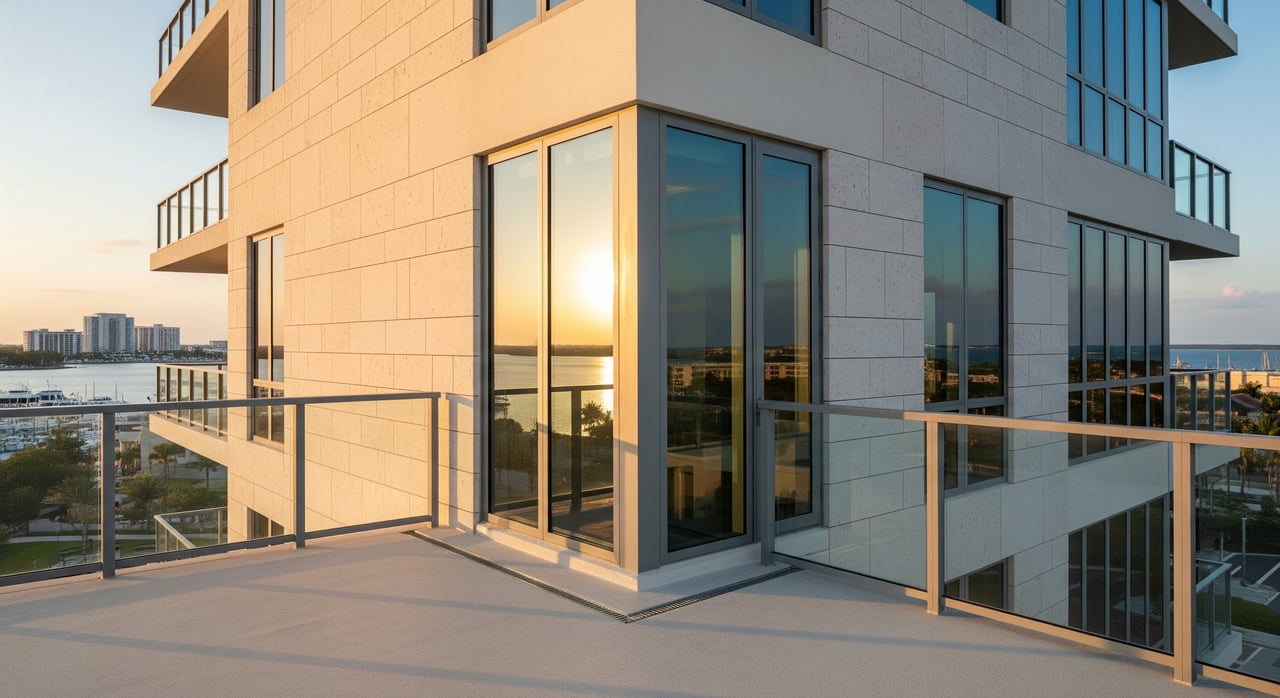
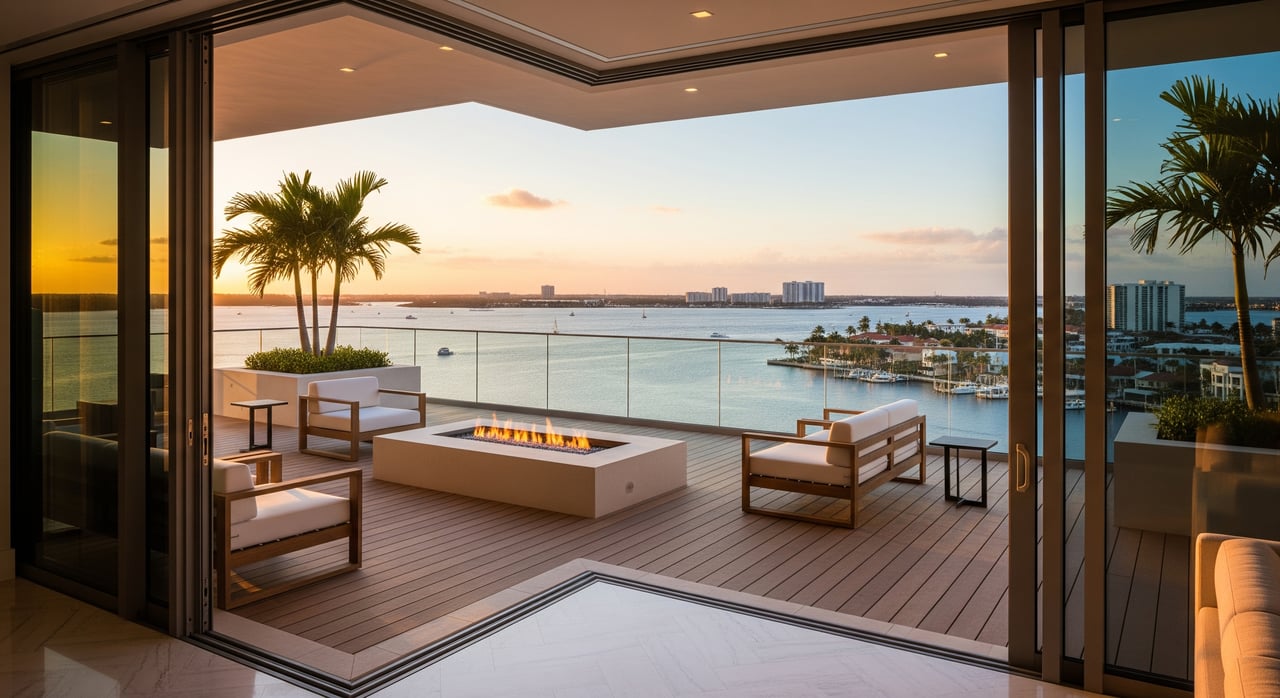
Secure, deeded parking and storage are scarce in cores and add real value. Boat slips and large private terraces bring premium interest when available.
- What to check:
- Deeded vs. assigned parking and guest parking options
- Storage size and climate control
- Whether a boat slip or terrace is deeded and included in the sale
How to compare condos like a pro
Start with the closest comps you can find: same building, same floor plan, similar orientation, and similar floor level. If those do not exist, use buildings with comparable age and amenity levels. Adjust your analysis by the big levers first and avoid assuming fixed numbers across the market.
- Typical adjustment priorities:
- View quality
- Floor level
- Deeded parking and storage
- Renovation level and layout functionality
- Square footage and usable space
- HOA inclusions and net monthly cost
- HOA financial strength and any litigation
- Rental policies that affect demand
Reconcile back to price per usable square foot after accounting for non‑recurring items like recent assessments or capital projects. Financing eligibility matters too. Buildings without FHA/VA options or with low owner‑occupancy rates can push more buyers toward cash, which influences pricing.
Due diligence that protects your value
Core documents to request
Ask the listing agent and HOA for the full condominium packet, current budget, recent financials, the latest reserve study, board meeting minutes, insurance summaries, and any statement on litigation or assessments. Confirm rental policy and owner‑occupancy rates. Document all deeded items such as parking, storage, and boat slips.
Inspections and third‑party reports
Order a unit‑level inspection and review any available building inspections or structural assessments. Verify the flood zone on the FEMA Flood Map Service Center and request any elevation certificate. Cross‑check parcel and build year details with the Sarasota County Property Appraiser.
Questions to ask local professionals
- Real estate advisor: recent same‑building sales, days on market, typical buyer profile for the building
- HOA manager or treasurer: reserve strength and upcoming projects
- Insurance broker: estimated annual premiums and how mitigation features change costs
- Lender: project approval status and any financing limitations
For sellers: what to prepare
Assemble the condo document set, recent repair invoices, and evidence of paid assessments. Outline amenities and all deeded inclusions clearly. Highlight recent capital improvements and current reserve balances to reduce friction and build buyer confidence.
Insurance, rules, and legal context in Florida
Florida’s insurance market evolves, and rates and coverage terms can change by building and year. For context on statewide trends, review the Florida Office of Insurance Regulation. For condo governance, disclosures, and reserve rules, consult Florida Statutes Chapter 718 and speak with a real estate attorney on specifics. Local reporting in the Sarasota Herald‑Tribune often covers major downtown projects and inspections. Use these sources alongside current MLS data to keep your analysis timely.
Putting it together in downtown Sarasota
When you weigh a downtown Sarasota condo, combine lifestyle value with a disciplined check of the building and unit. A south‑ or west‑facing stack with protected bay views may justify a higher price if the HOA is well funded, insurance is manageable, and the floor plan is functional. A lower HOA is not always better if key utilities or building insurance are borne out of pocket.
Your best move is to test your short list against recent same‑building sales, confirm the view and orientation on site, and verify HOA and insurance facts before you finalize price. This lowers surprises and helps you pay for what matters most to you.
If you want a curated, senior‑level advisory experience tailored to downtown Sarasota’s micro‑markets, we would love to help. Schedule a Private Consultation with Teresa Tyrrell and Company to review comps, tour targeted buildings, and map a clear path from interest to closing.
FAQs
How do water views affect downtown Sarasota condo prices?
- View quality is a major line‑item adjustment. Unobstructed bay views on higher floors often command the strongest premiums compared with partial or no‑view units in the same stack.
How should I weigh HOA fees when comparing units?
- Compare the net monthly cost. Higher dues can be justified if they include utilities or robust amenities; weigh what is included against out‑of‑pocket insurance and utility costs.
What risks come with older downtown buildings?
- Age by itself is not decisive. Focus on reserve funding, documented maintenance, any structural inspections, and special assessment history to judge risk and value.
How do insurance and flood zones influence value?
- Properties in higher risk zones or with large wind deductibles can see higher ownership costs and lower buyer demand. Verify the flood zone on the FEMA Flood Map Service Center and get insurance quotes early.
Can I rent my downtown Sarasota condo short‑term?
- Rules vary by building. Confirm the HOA rental policy, any city permitting requirements, and whether the project’s rules align with your plans before you buy.