Thinking about trading yard work for sunsets on the bay and evenings at the theater? If you’re considering a move from a single‑family home to a lock‑and‑leave condo, downtown Sarasota offers a rare mix of walkable convenience, cultural depth, and coastal access. You want the lifestyle and the practicality to match. In this guide, you’ll see what daily life looks like, what types of buildings to consider, and the key details to verify before you buy. Let’s dive in.
Downtown Sarasota at a glance
Downtown Sarasota is compact and walkable, with cafés, chef‑driven restaurants, boutique shops, galleries, and parks clustered in the core. You’re steps from Sarasota Bayfront Park and a working small marina where sightseeing boats depart. Cultural anchors include The Ringling, Van Wezel Performing Arts Hall, Marie Selby Botanical Gardens, the Sarasota Opera, and active theater companies and galleries.
Weekend rhythms are vibrant. The Saturday Farmers Market on Lemon Avenue draws residents for local produce, prepared foods, and a lively morning scene. Barrier‑island beaches on Lido Key and Siesta Key are a short drive, and St. Armands Circle offers additional dining and shopping nearby.
Getting around is simple. Most day‑to‑day errands are walkable, and you can use biking, rideshare, or Sarasota County Area Transit for trips beyond the core. Sarasota‑Bradenton International Airport (SRQ) is a quick drive, which makes downtown especially practical for second‑home owners.
A day in the life
Morning rhythms
Start with coffee or a pastry at a neighborhood café, then take a bayfront walk past boats and skyline views. You might follow with yoga or a workout at a nearby studio or gym. On Saturdays, the Farmers Market offers an easy social start to your day.
Midday options
Lunch can be waterfront or at a chef‑driven spot in the core. Errands are efficient, with specialty food shops, pharmacies, and services clustered within walkable blocks. Many residents also choose a quiet café for remote work between outings.
Afternoons at ease
Browse galleries and small shops, or spend a few hours at the botanical gardens or a museum. If you enjoy the water, boating, fishing, and kayaking on the bay are popular. Many buildings offer pools, fitness centers, and lounges so you can relax without leaving home.
Evenings out
Plan dinner close to home, then catch a performance at the opera, a play, or a concert. Rooftop and waterfront bars make it easy to host friends without a long drive. With a staffed building, you lock, leave, and return with minimal hassle.
Seasonal flow
Sarasota’s winter season brings more foot traffic, busier restaurants, and a full cultural calendar. Many owners plan entertaining and guest visits during this period. If a building allows rentals, some second‑home owners time occasional rentals to high season.
Condo types and amenities
Luxury high‑rises
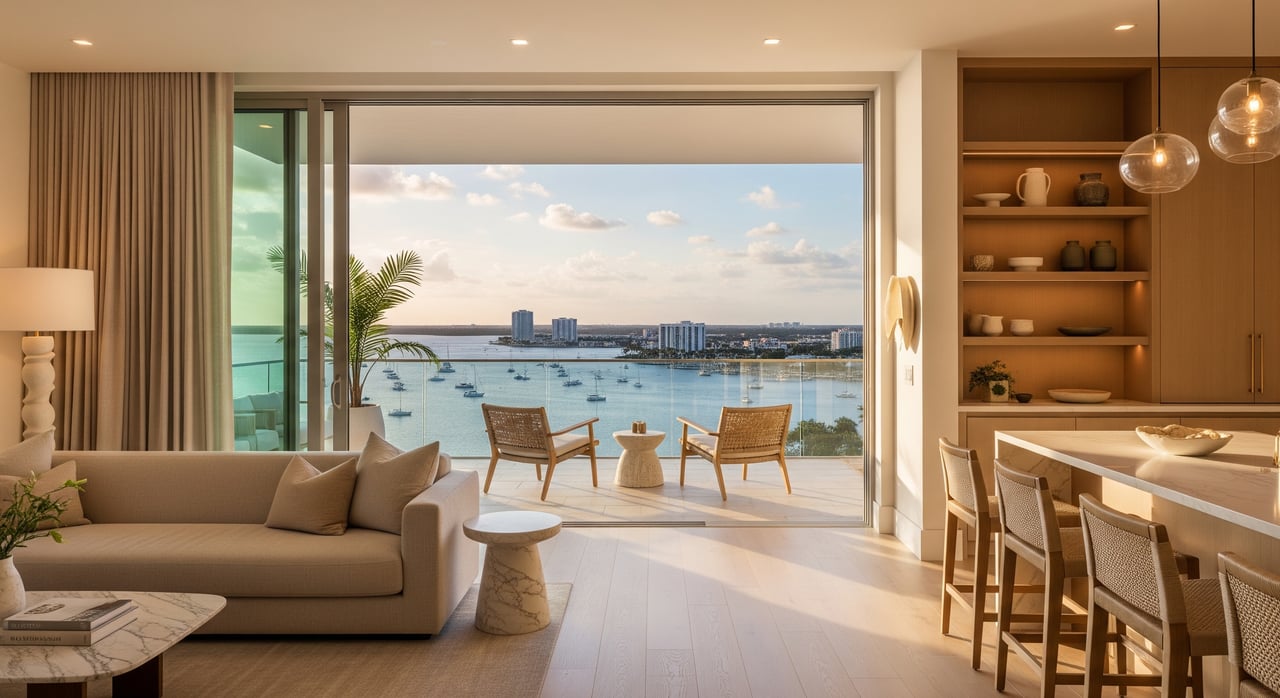
These towers sit on or near the water and offer full services. Expect multiple elevators, concierge or valet, robust security, assigned parking, and comprehensive amenity decks. HOA fees are typically higher to support the services and amenities.
Boutique and mid‑rise buildings
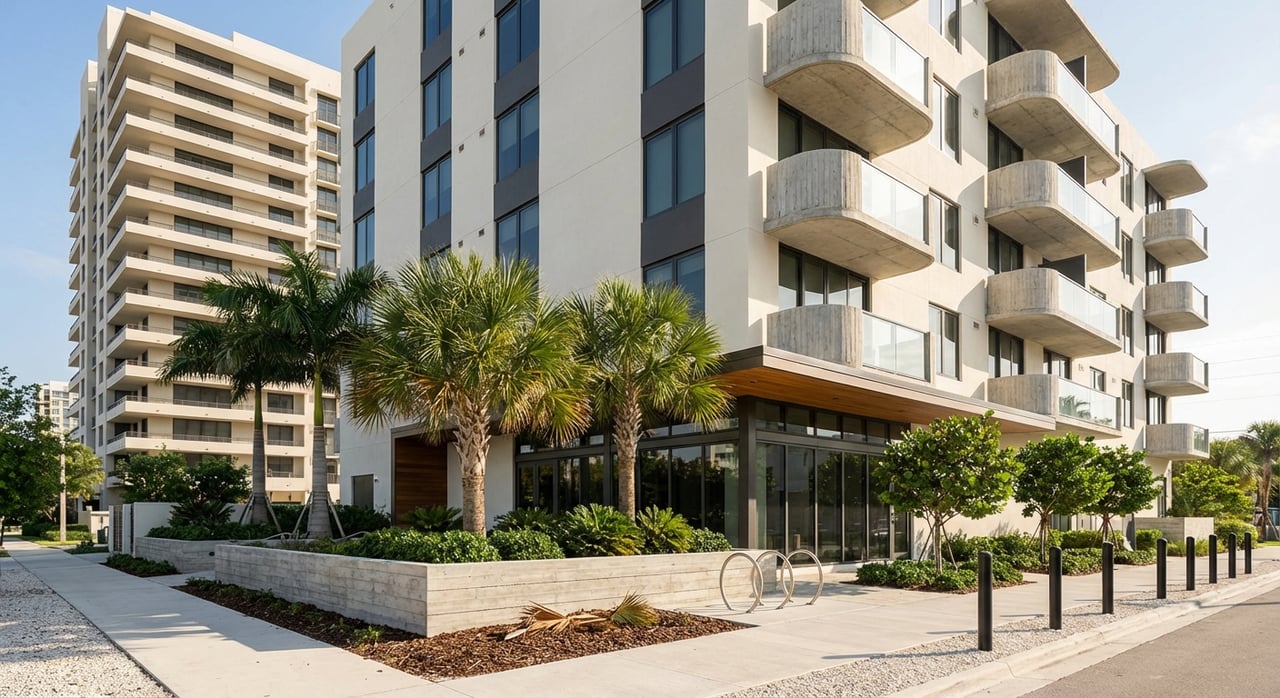
You’ll find a more intimate feel with fewer residences per floor. Amenities and fees can be lower, though services may be more limited. These buildings often appeal if you prioritize privacy and a quieter lobby experience.
Historic and mixed‑use options
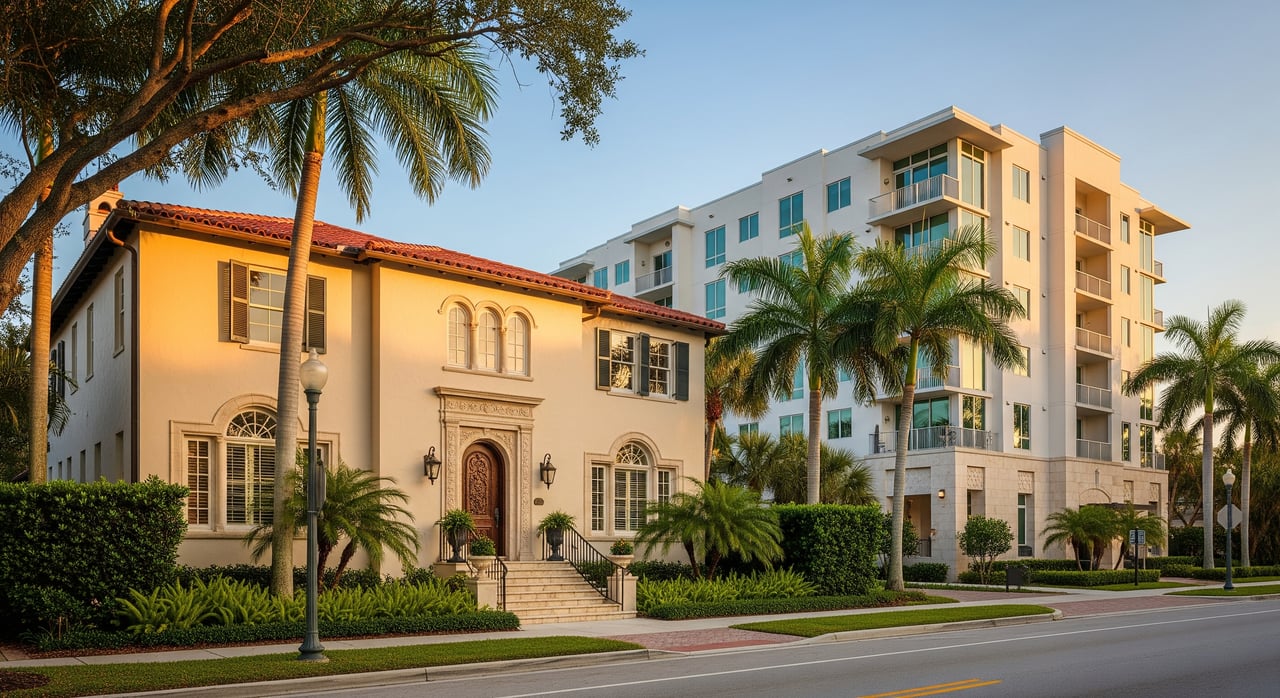
Converted historic or mixed‑use buildings place you above retail and dining. Units can be distinctive, with unique layouts and smaller footprints. You’ll want to verify sound attenuation, elevator maintenance, and how commercial uses are managed.
Common amenities you’ll use
- Concierge or front desk with package handling and secured entry
- Fitness centers, heated pools, spa areas, club rooms, and rooftop terraces
- Assigned, covered parking, often with guest parking; some buildings offer EV charging
- Association‑handled exterior maintenance, landscaping, elevators, roof, and building envelope
What to check before you buy
HOA fees and reserves
Understand exactly what monthly fees cover, including which utilities and amenities are included. Review the association’s budget, financial statements, recent meeting minutes, and the most recent reserve study. Ask about planned capital projects and any recent or pending special assessments.
Insurance, wind, and flood
You will likely need an HO‑6 policy for your interior and personal liability, while the association carries a master policy. Confirm whether the association’s policy is all‑in or bare walls, the deductible, and how deductibles are allocated. Review the building’s flood zone, elevation certificates, and typical flood‑insurance costs for the area.
Parking and storage
Verify the number and location of your assigned spaces and whether parking is deeded or assigned by the association. Confirm guest‑parking options and policies for high‑season or event days. Ask about storage lockers for luggage, bikes, and seasonal items.
Pets and rentals
Pet rules vary by building; many luxury properties are pet‑friendly with defined policies and fees. For second‑home owners, confirm rental minimums, short‑term rules, and any caps. Understand approval processes and any owner‑occupancy requirements.
Financing fit
If you plan to finance, check building eligibility early. Lenders look at association health, reserves, owner‑occupancy ratios, and whether there is any pending litigation. Building loanability can differ, so align your lender and building choice from the start.
Florida condo rules, in brief
Florida condominiums are governed by state condominium law in Chapter 718 of the Florida Statutes. Governance covers budgeting, reserves, owner rights, and meeting requirements. Since the Surfside collapse, attention to inspections, structural safety, and reserve funding has increased.
Reserve strength matters. Older buildings may face façade, balcony, roof, waterproofing, or elevator projects that require capital. A current reserve study and a transparent capital‑improvement history reduce the risk of surprise assessments.
Insurance is a key variable. Confirm wind and hurricane coverage in the master policy, how deductibles work, and what you must insure inside the unit. If the building is near the bay or in a special flood hazard area, review flood mapping, elevation, and likely premiums.
Cost tradeoffs to weigh
Condo living trades yard work and exterior upkeep for monthly HOA fees. Compare total cost of ownership, including HOA, insurance, taxes, and utilities, with your current home’s maintenance costs. Consider the lifestyle value of amenities, security, and location alongside monthly cash flow.
Rules protect shared assets but can limit customization, pets, and rentals. Decide what matters most and where you can be flexible. Align your priorities with building policies before you write an offer.
Quick viewing checklist
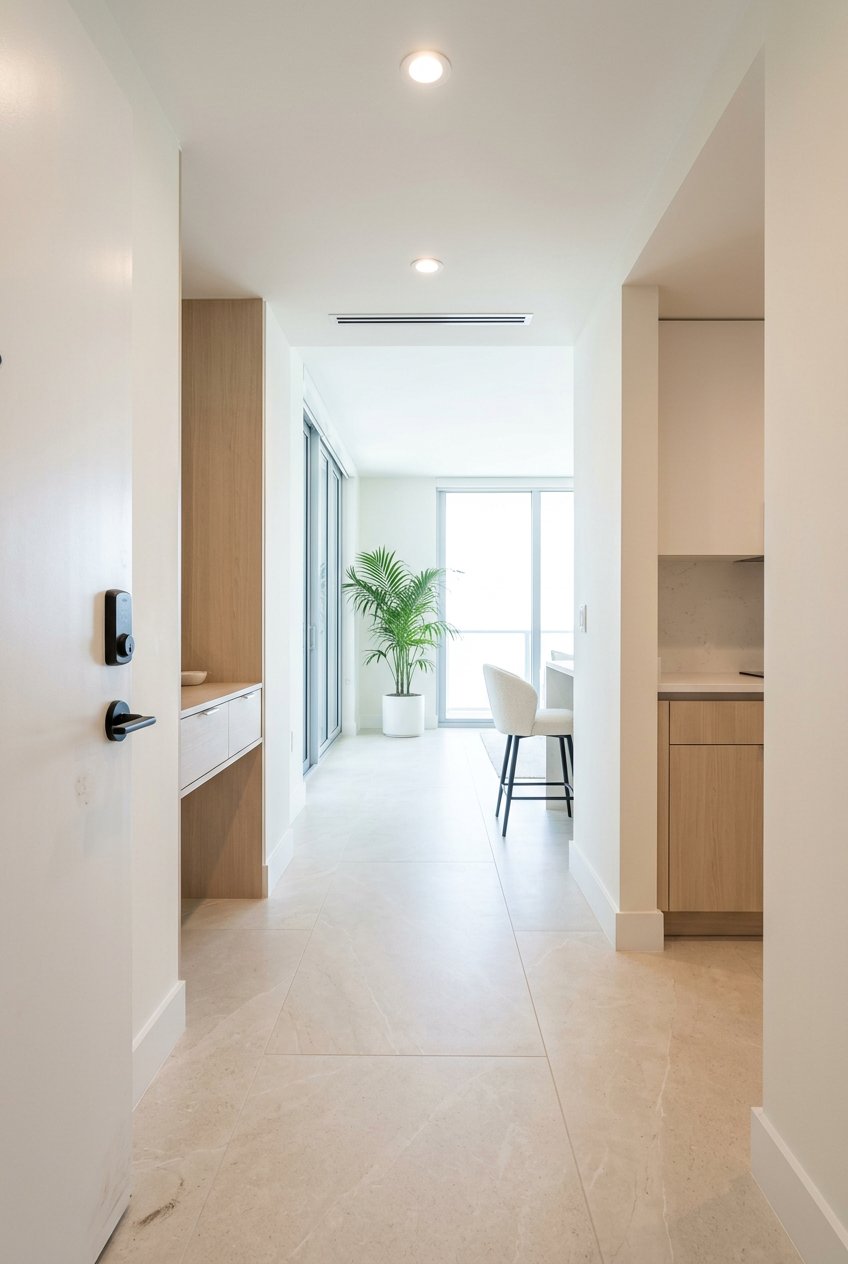
- Layout and storage: Does the plan fit your furniture, art, and hosting style? Where will guests sleep?
- Walkability: Are your favorite cafés, groceries, gyms, and cultural venues within easy reach?
- Staff and access: How are deliveries and guests handled? Is there a concierge or front desk?
- Building condition: How old is the building? When were roof, façade, elevators, and waterproofing last addressed?
- Financials and reserves: Review budgets, reserve studies, minutes, and any special assessments.
- Insurance and risk: Understand the master policy, deductibles, flood zone, and hurricane procedures.
- Parking and storage: Confirm assigned spaces, guest options, and storage availability.
- Use rules: Verify pet policies, rental minimums, and any owner‑occupancy rules.
- Resale factors: Check recent sales, time on market, and owner‑occupancy ratios.
- Local logistics: Consider proximity to medical care, SRQ, and event parking during peak season.
Is downtown Sarasota right for you?
If you want culture, dining, and waterfront parks at your doorstep, downtown Sarasota condo living delivers. You gain low‑maintenance convenience, amenities that replace home upkeep, and easy travel access for seasonal or full‑time use. With the right building, you can lock and leave with confidence and enjoy a lifestyle that feels both polished and relaxed.
When you are ready to shortlist buildings and review HOA documents, connect with a local expert who specializes in downtown Sarasota’s design‑forward inventory. For discreet guidance and curated access to both new and resale options, schedule a conversation with Teresa Tyrrell and Company.
FAQs
What is downtown Sarasota’s walkability like?
- Most daily needs are in the core, so you can walk to cafés, restaurants, parks, and cultural venues while using biking, rideshare, or local transit for longer trips.
How close are beaches and the airport?
- Lido Key and Siesta Key beaches are a short drive from downtown, and Sarasota‑Bradenton International Airport (SRQ) is nearby for convenient seasonal travel.
What amenities do downtown condos usually offer?
- Many buildings include concierge or front desk services, fitness centers, heated pools, club rooms, rooftop terraces, assigned parking, and HOA‑managed exterior maintenance.
How do condo HOA fees and reserves work?
- Monthly fees typically cover common‑area maintenance, amenities, some utilities, and a master insurance policy; review budgets and reserve studies to gauge long‑term health.
What should second‑home buyers know about rentals?
- Rental rules vary by building; confirm whether short‑term rentals are allowed, minimum lease lengths, any caps, and approval processes before you buy.
How does hurricane and flood risk affect ownership?
- Verify the master policy’s wind coverage and deductibles, confirm flood‑zone status and elevation, and plan for an HO‑6 policy for interior and personal coverage.