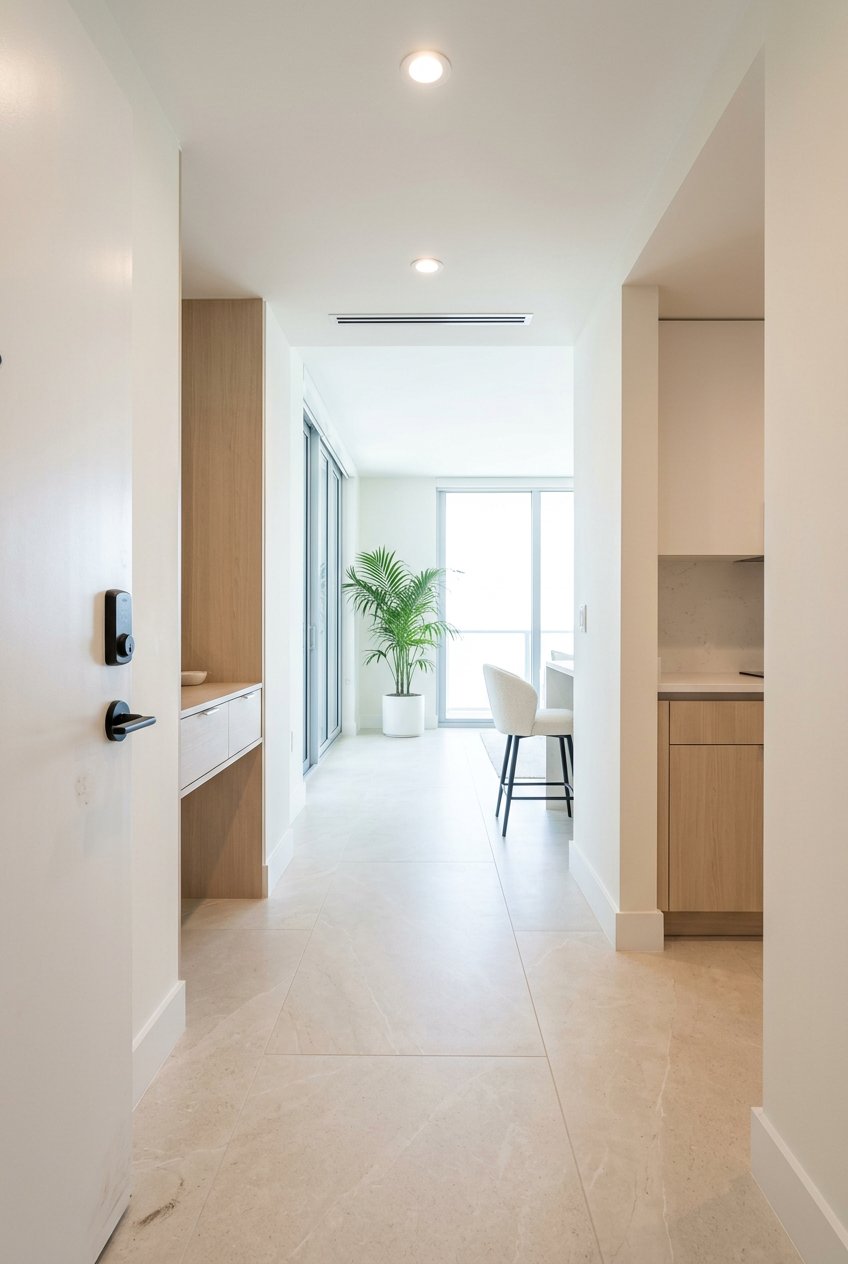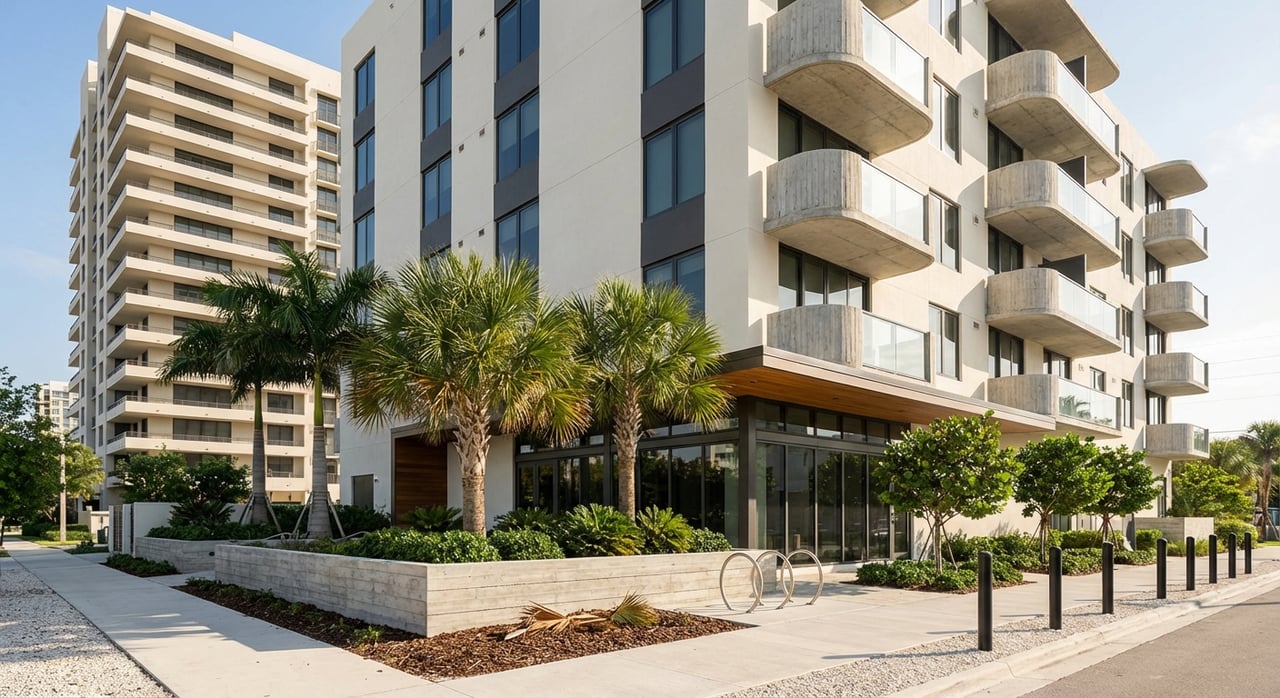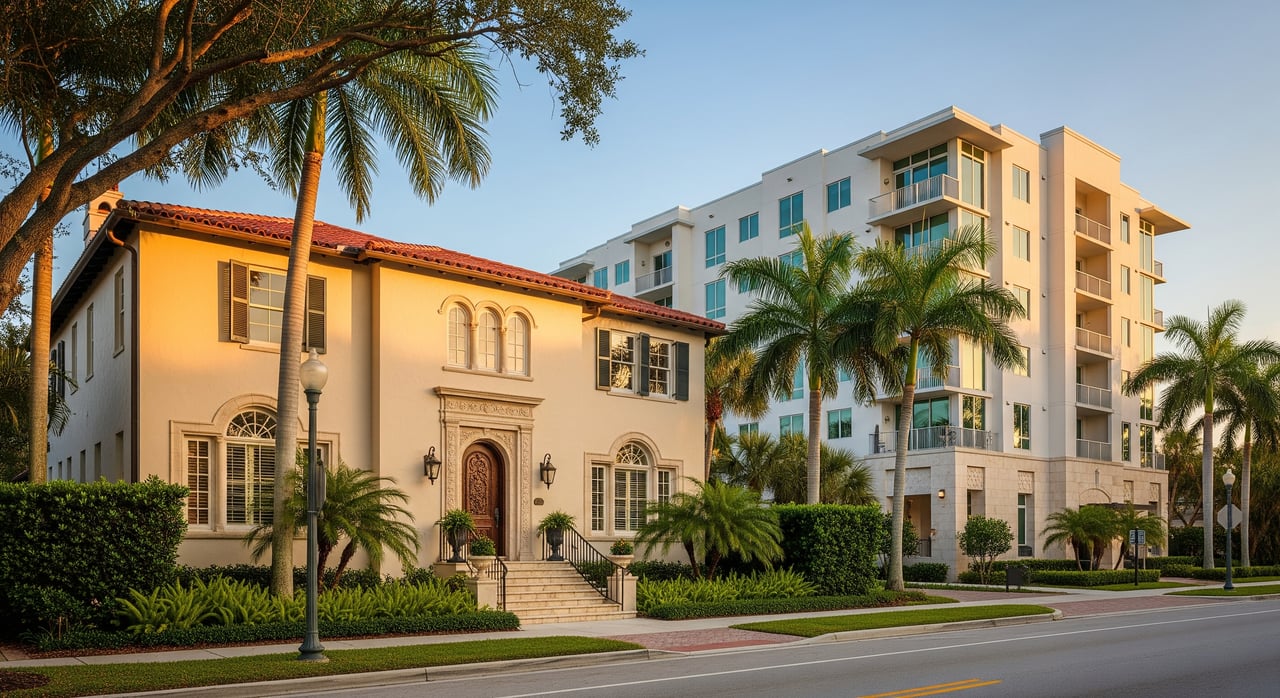
Deciding between a brand-new pre-construction condo and a move-in-ready resale in the Rosemary District can feel like choosing between two great versions of downtown living. You want inspired design, a walkable neighborhood, and a process that respects your time and budget. In this guide, you will learn how the two paths compare on customization, timelines, HOA transparency, financing, and day-to-day experience so you can move forward with confidence. Let’s dive in.
Rosemary District snapshot
The Rosemary District is a walkable, arts-leaning pocket of downtown Sarasota with galleries, boutiques, and restaurants. You are close to cultural amenities and everyday conveniences, which is why design-forward condos here are in demand. The product mix skews toward low- to mid-rise boutique buildings and mixed-use projects that highlight interiors and lifestyle amenities.
New developments often command a premium for customization, amenities, and branding. Resales may offer immediate occupancy and room to negotiate. Local permitting, coastal code, and neighborhood design standards can influence construction timing and the scope of amenities in new projects.
What pre-construction offers
Pre-construction gives you early access to floor plans and a showroom-driven selection process. It suits buyers who want curated finishes, new-systems warranties, and a fresh building experience.
Selection and customization
You typically choose cabinetry, flooring, countertops, and appliance packages in a model showroom. If you contract early, you may also select layout options. Upgrade windows are time-limited and pricing is set by the developer, which can add meaningful cost.
Timeline and milestones
Expect roughly 12 to 36 months from contract to closing, depending on project scale, permitting, financing, and construction. Key milestones include deposits and contract execution, selection deadlines, construction updates, a pre-closing punch list, and final certificate of occupancy. Schedule slippage is common, so plan for housing and carry costs if delivery shifts.
Deposits and contracts
Deposit structures vary, but many projects collect staged deposits that total 5 to 30 percent before closing. Refundability depends on your contract and Florida’s condominium rules. Review escrow details, default remedies, and cancellation terms carefully before you sign.
Amenities and HOA expectations
New buildings often feature tiered amenity packages like rooftop spaces, fitness centers, concierge services, and pet amenities. Developers set the initial HOA budget, which is a projection. Reserve funding and long-term operating costs often become clearer after turnover to an owner board.
Warranties and building standards
New units typically include manufacturer and developer warranties for workmanship, materials, and structural elements. Projects must comply with Florida Building Code and local coastal regulations, including wind resistance, impact glazing, and flood elevation requirements.
Financing and appraisal for new projects
Lenders may require project-level documentation and can apply stricter underwriting to new condos. Appraisals may rely on limited comparable sales if the building is unique, which can create gaps between appraised value and contract price. Confirm lender options, condo certification status, and insurance availability early.
Who pre-construction fits
Choose pre-construction if you want tailored finishes, new-building warranties, and a branded amenity experience, and if your timeline is flexible. It is a strong fit for buyers who value design control and are prepared for a longer delivery window.
What a resale condo offers
Resale units provide visible condition, established HOA operations, and a faster path to occupancy. You can see exactly what you are buying and close on a predictable schedule.
Speed and certainty
Most resale transactions close in 30 to 60 days, faster for cash purchases. Immediate occupancy is typical after closing, with fewer timeline risks than a new build.
Condition and inspection clarity
You can order full inspections, review maintenance history, and verify system ages. Renovation potential depends on building rules, including contractor requirements and work schedules.
HOA transparency
Established HOAs offer financial statements, reserve studies, meeting minutes, and any assessment history. This record helps you predict ongoing costs and supports lender underwriting.
Pricing and negotiation
Resales often allow for negotiation based on condition and comparable sales. You may secure price reductions, credits for repairs, or closing cost assistance, depending on the seller’s goals and market dynamics.
Financing and appraisal
Lenders tend to favor buildings with documented HOA health and stable owner-occupancy ratios. Appraisals draw on recent sales in the same or nearby buildings, which can make valuation more straightforward.
Who resale fits
Choose resale if you want a quicker move, financial transparency, and the ability to evaluate the exact unit and HOA history. It is a great match if you prefer certainty over customization or plan to renovate selectively after closing.
Side-by-side comparison
- Selection and customization
- Pre-construction: Broad showroom choices and upgrade packages early in the cycle.
- Resale: Customize post-closing through renovation, subject to building rules and timelines.
- Timeline and certainty
- Pre-construction: Longer, variable delivery with potential delays.
- Resale: Predictable 30 to 60 day closing and immediate occupancy.
- Financial transparency
- Pre-construction: Developer-created budgets and limited operating history.
- Resale: Documented HOA budgets, reserves, and meeting minutes.
- Price and value risk
- Pre-construction: Premium pricing for newness and customization, with market shifts possible before delivery.
- Resale: Price negotiated against condition and comps, with potential upside from tasteful updates.
- Insurance and financing
- Pre-construction: Project-level approvals and condo certification can be pending.
- Resale: Lenders often more comfortable with established buildings.
Practical checklists
Pre-construction must-review items
- Purchase contract terms for cancellations, refunds, upgrades, and developer defaults.
- Public offering statement, draft condo documents, and declaration of condominium.
- Proposed HOA budget, projected reserves, and underlying assumptions.
- Construction schedule, milestone dates, and remedies for delay.
- Warranty scope and duration for workmanship, materials, and structure.
- Developer financials, completion history, and references or past projects.
- Insurance coverage during construction and the master policy after turnover.
- Lender options, condo approval status, and escrow details.
- Local permitting status and the path to certificate of occupancy.
Resale must-review items
- HOA financials for the last 2 to 3 years, current budget, and the latest reserve study.
- HOA meeting minutes for the last 12 to 24 months and notes on capital projects.
- Master insurance declarations, deductibles, and any special assessment history.
- Seller disclosures and full inspection reports, including pest if relevant.
- Rules on renovation, leasing, and short-term rental restrictions.
- Evidence of recent maintenance, system ages, and transferable warranties.
Local due diligence tips
- Verify property data and comparable sales through trusted local records and MLS sources.
- Review City of Sarasota planning and permitting activity for your building or project.
- For pre-construction, request the developer’s condo documents, proposed budgets, timelines, and any lender approval updates.
- For resales, evaluate reserves, assessment history, pending litigation, and upcoming capital projects.
- Confirm insurance availability for flood and hurricane coverage, plus estimated property taxes.
Plan your timeline and budget
If you favor design control and a brand-new amenity package, build in time for a 12 to 36 month delivery and set aside a contingency for schedule shifts and upgrade costs. If you want certainty and near-term enjoyment of the neighborhood, budget for closing within 30 to 60 days and possible cosmetic updates after you move in.
Next steps
Whether you choose pre-construction or resale, having a seasoned advisor who knows downtown Sarasota’s micro-markets can protect your time, budget, and peace of mind. Teresa’s team is experienced with developer documents, showroom selections, HOA reviews, and pricing strategy across both paths in the Rosemary District. If you want curated access to upcoming releases, private opportunities, or the best resales available today, connect with Teresa Tyrrell and Company to Schedule a Private Consultation.
FAQs
Are pre-construction deposits refundable in Florida?
- It depends on your contract and Florida condominium escrow rules. Read deposit, refund, and default provisions closely before you sign.
How long does pre-construction take before move-in?
- Many projects run 12 to 36 months from contract to closing. Delivery depends on permitting, financing, and construction progress.
Will HOA fees be higher in a new building?
- New buildings with robust amenities often project higher initial fees. Developer budgets are estimates, so review assumptions and reserves carefully.
Is financing harder in new condo projects?
- It can be. Lenders weigh project-level metrics like reserves, owner-occupancy, and budget realism. Established buildings are often easier to underwrite.
How can I manage construction delay risk?
- Use clear contract timelines and remedies, plan for temporary housing if needed, and budget for carrying costs. Ask about rate lock options and delivery milestones.
What is the risk of special assessments in condos?
- Both new and older buildings can levy assessments. New projects may refine budgets after turnover. Established HOAs provide history that helps gauge likelihood.