Considering a Downtown Sarasota condo? You have probably heard about Florida’s new “milestone inspections,” and you may be wondering what they mean for your purchase, budget, and timeline. It is smart to ask. These inspections were designed to protect residents and to keep buildings safe, and they now play a real role in financing and association planning. In this guide, you will learn what milestone inspections cover, how they differ from reserve studies, and how to review reports with confidence before you buy. Let’s dive in.
Milestone inspections: what they are
Milestone inspections are state-mandated evaluations of many multi-story condominium buildings to identify structural and life-safety issues. They were introduced after the 2021 Surfside collapse to elevate safety across Florida communities. The Florida Department of Business and Professional Regulation provides official program guidance and forms, which you can review in the DBPR milestone inspection guidance.
These inspections focus on building systems that affect safety, including structural framing, foundations, exterior walls and balconies, roofs, waterproofing, parking garages, and fire-resistive features. A licensed professional, typically an engineer or architect, delivers a written report with findings, recommended repairs, and timelines. Because rules evolve, confirm current deadlines and eligibility with DBPR and your local building department before you finalize a contract.
How milestone inspections differ from reserve studies
It helps to separate two ideas. A milestone inspection is a safety-focused engineering review. A reserve study is a budget and planning tool that estimates future costs for maintaining and replacing common elements. A “structural integrity reserve study” is not a specific regulated term, but you may see it used to highlight structural and envelope items within a broader reserve plan.
Here is the key distinction for buyers: milestone inspections look for conditions that could pose safety risks, while reserve studies help the association plan funding so it can avoid large special assessments. Both influence your carrying costs.
Timing in Downtown Sarasota
Florida’s framework generally applies to residential condo buildings that are three stories or taller. Many programs use an initial inspection trigger around 30 years from first occupancy, then recurring cycles, often every 10 years. Exact thresholds and timing can change, so verify the current rules with DBPR and local officials before relying on a date.
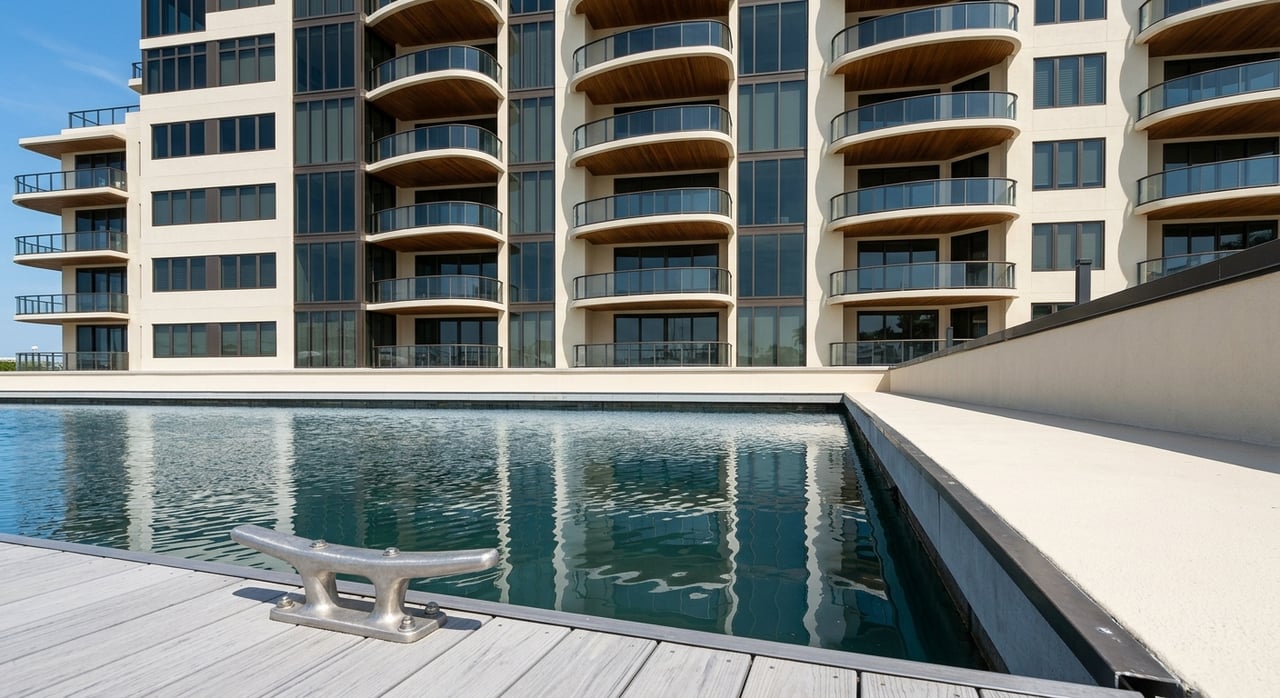
In Downtown Sarasota, towers range from the 1960s through the 2000s, so many buildings are within an inspection window or approaching one. Coastal exposure is also a factor. Gulf Coast salt air can accelerate corrosion in concrete and balcony components, as well as wear on waterproofing. That means inspections in downtown waterfront settings may identify more remediation than in inland buildings, which can affect budgets and timelines.
How findings affect your purchase
Inspection outcomes can influence costs, lending, and timing.
- Special assessments. If reserves are not sufficient for required repairs, the board may adopt a special assessment or raise dues. That affects your monthly and one-time costs.
- Financing and insurance. Significant deficiencies, litigation, or weak reserves can make lenders and insurers cautious. Project eligibility standards can tighten when safety issues appear. For broader context on condo insurance trends, review the Florida Office of Insurance Regulation consumer information. For mortgage approval questions tied to condo projects, explore FHA and HUD condo project approval guidance and ask your lender about current requirements.
- Occupancy and use. If an inspector or local official identifies an immediate hazard, areas can be restricted until repairs are done. This is uncommon, but it is possible.
Due diligence checklist for downtown buyers
Request these documents early in your contract period so you have time to review and respond:
- Most recent milestone inspection report and any repair verification.
- Most recent reserve study and the current reserve balance.
- Current annual budget and the most recent audited or reviewed financial statements.
- Board meeting minutes from the past 12 to 36 months, plus any special meeting minutes for capital projects or assessments.
- Records of any pending or threatened litigation related to construction or structural issues.
- Copies of building permits and major repair contracts, especially for envelope, balcony, garage, or structural work. You can cross-check permit activity with the Sarasota County Building Division.
- Association master insurance declarations, limits, deductibles, and any notes about required repairs.
- Written disclosure of any pending or approved special assessments.
- Certificate of occupancy or first occupancy date to verify inspection timing.
For records access and association obligations, see the Florida Statutes Chapter 718 (Condominium Act).
How to read the reports like a pro
- Focus on priorities. Most engineering reports classify items as immediate, short term, or long term. Immediate items carry the most risk for occupancy and financing.
- Verify “completed” work. Ask for permits, inspection sign-offs, and paid invoices. Without documentation, treat it as open.
- Compare costs to reserves. If recommended work exceeds the reserve balance and there is no plan to fund the gap, a special assessment or association loan is likely.
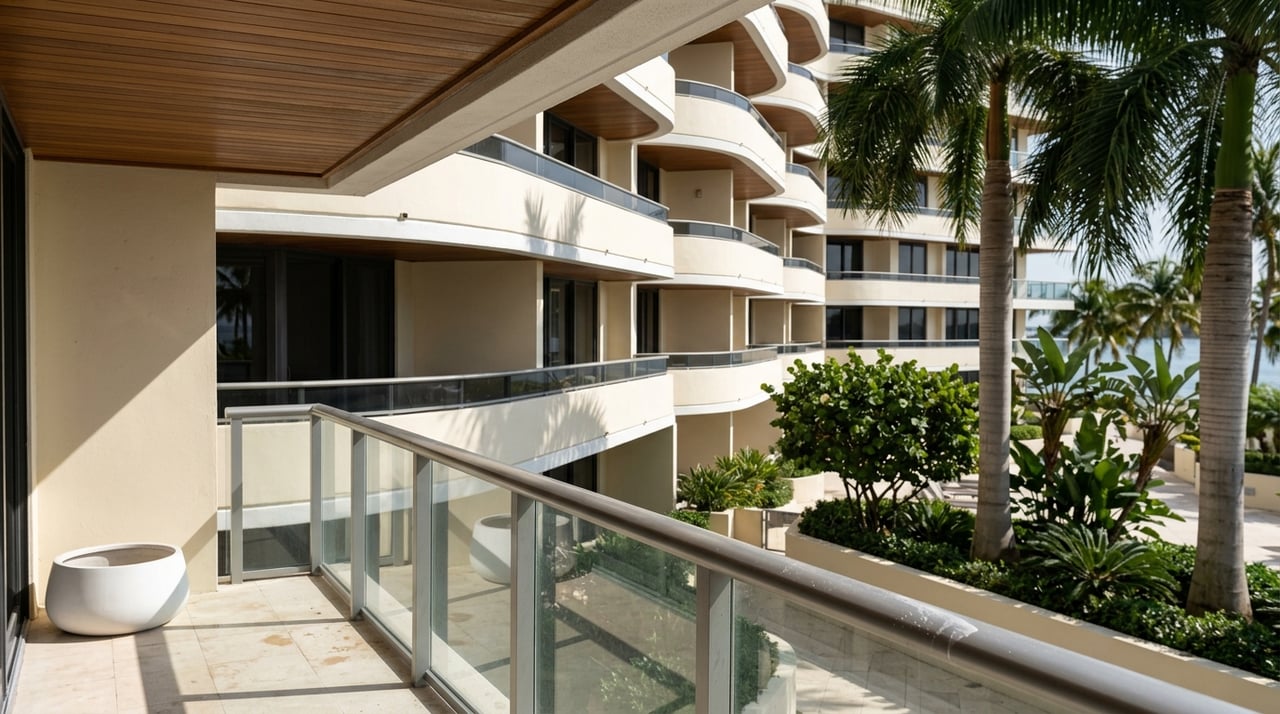
- Consider Sarasota’s environment. Look closely at balcony slabs, railings, parking decks, and waterproofing. Salt-air corrosion and membrane wear are common triggers for capital projects on the coast.
- Watch for deferrals. Repeatedly postponed repairs can signal a pattern that raises future costs.
Smart questions to ask
Association manager or board
- Has the building completed the state-required milestone inspection? What were the top issues and recommended timelines?
- Which immediate repairs are done, and where can you review permits and sign-offs?
- What is the current reserve balance, and are reserves funded as the study recommends?
- Are any special assessments pending or planned capital projects envisioned in the next 1 to 5 years?
- Has the association taken or pursued a loan for repairs? What are the terms?
- Are there any notices from local building officials regarding unsafe conditions?
Your professional team
- Engineer: Ask an independent engineer to interpret findings and offer a conceptual budget and timeline for critical repairs.
- Lender: Confirm whether the project meets lending standards today and what would be required if issues are present. For general program standards, review FHA and HUD condo project approval guidance with your loan officer.
- Insurance broker: Ask about current carrier expectations for condos of this age and setting. The Florida Office of Insurance Regulation consumer information page is a helpful reference.
- Attorney: Ask about disclosures, access to records under Chapter 718, and how special assessments are adopted and allocated.
Downtown Sarasota buyer playbook
If you love a building, do not let the term “milestone inspection” derail your search. Use it to your advantage. Ask for the reports, read the priorities, verify completed work, and compare costs to the association’s reserves and plan. If the building has not yet reached its inspection trigger, confirm timing with the certificate of occupancy and ask how the board is preparing.
Florida’s rules continue to evolve, so always verify current deadlines and qualifications with the DBPR milestone inspection guidance and with local officials. If you want help sourcing documents, reading reports, or comparing buildings, our team can guide you through a clear, step-by-step review tailored to Downtown Sarasota.
Ready to move forward with confidence in your due diligence? Connect with Teresa Tyrrell and Company to review reports, align on budget and risk, and match you with the right building and floor plan.
FAQs
What is a Florida condo milestone inspection and why was it created?
- It is a state-required safety-focused inspection for many multi-story condo buildings, created after the 2021 Surfside collapse to identify structural and life-safety deficiencies; see official details in the DBPR milestone inspection guidance.
How often are milestone inspections required in Sarasota?
- Many programs use an initial trigger around 30 years from first occupancy, then recurring cycles, often every 10 years; confirm exact timing for your building with DBPR and local building officials.
How is a milestone inspection different from a reserve study?
- A milestone inspection evaluates safety and structural condition, while a reserve study forecasts long-term costs and funding needs for common elements; both influence your carrying costs.
Can inspection findings affect my mortgage approval for a Downtown Sarasota condo?
- Yes, significant deficiencies or weak reserves can affect project eligibility for some lenders; review lending standards with your loan officer and reference FHA and HUD condo project approval guidance.
What documents should I request from the association before I buy?
- Ask for the latest milestone inspection report, reserve study and reserve balance, budget and financials, board minutes, permits and major repair contracts, insurance declarations, disclosures on assessments, and the certificate of occupancy; the Florida Statutes Chapter 718 outlines records and governance basics.
Where can I verify current rules and deadlines for milestone inspections?
- Start with the DBPR milestone inspection guidance and check with the Sarasota County Building Division for local enforcement and permit history.