Choosing a barrier island condo for seasonal use in Sarasota sounds simple until you realize you are not just buying a unit. You are choosing an island rhythm, a building setup, and a rule structure that will shape every arrival, every guest stay, and every month you are away. If you want a condo that feels easy, enjoyable, and aligned with how you actually live, the right questions matter from the start. Let’s dive in.
Start With Island Fit
In Sarasota, barrier-island condos do not all offer the same experience. The first decision is usually not floor plan or finishes. It is which island best matches the kind of seasonal routine you want.
Longboat Key for Resort Living
Longboat Key is often the best fit if you want a polished, resort-style base for the season. Official Sarasota tourism materials highlight golf, tennis, dining, boating, paddleboarding, and a more amenity-rich island feel. If you picture your seasonal home as a refined retreat with services and recreation close at hand, this island is a natural place to begin.
Lido Key for Beach and Access
Lido Key appeals to buyers who want a quieter setting without feeling disconnected. Official local guides describe a slower pace, secluded shores, understated condos, beach concessions, and easy access to St. Armands Circle. For many seasonal owners, that balance of calm surroundings and nearby shopping and dining feels especially convenient.
Siesta Key for Energy and Ease
Siesta Key is often a strong match if your seasonal lifestyle centers on beach time and an active daily routine. Visit Sarasota County notes the large public beach parking area, on-site concessions, and free trolley access to the village and downtown Sarasota. If easy beach logistics matter to you, Siesta Key deserves a close look.
Casey Key for Privacy
Casey Key stands apart for buyers who want a quieter, lower-density retreat. Local tourism materials describe it as private, narrow, and more isolated, with an old Florida feel. If your ideal seasonal home is less about activity and more about privacy, Casey Key may be the clearest fit.
Match the Building to Your Pattern
Once you know which island feels right, the next step is looking past the view and into how the building works. For seasonal owners, convenience often matters just as much as location. A condo can look perfect online and still be a poor fit if the building adds friction every time you arrive or leave.
Focus on Useful Amenities
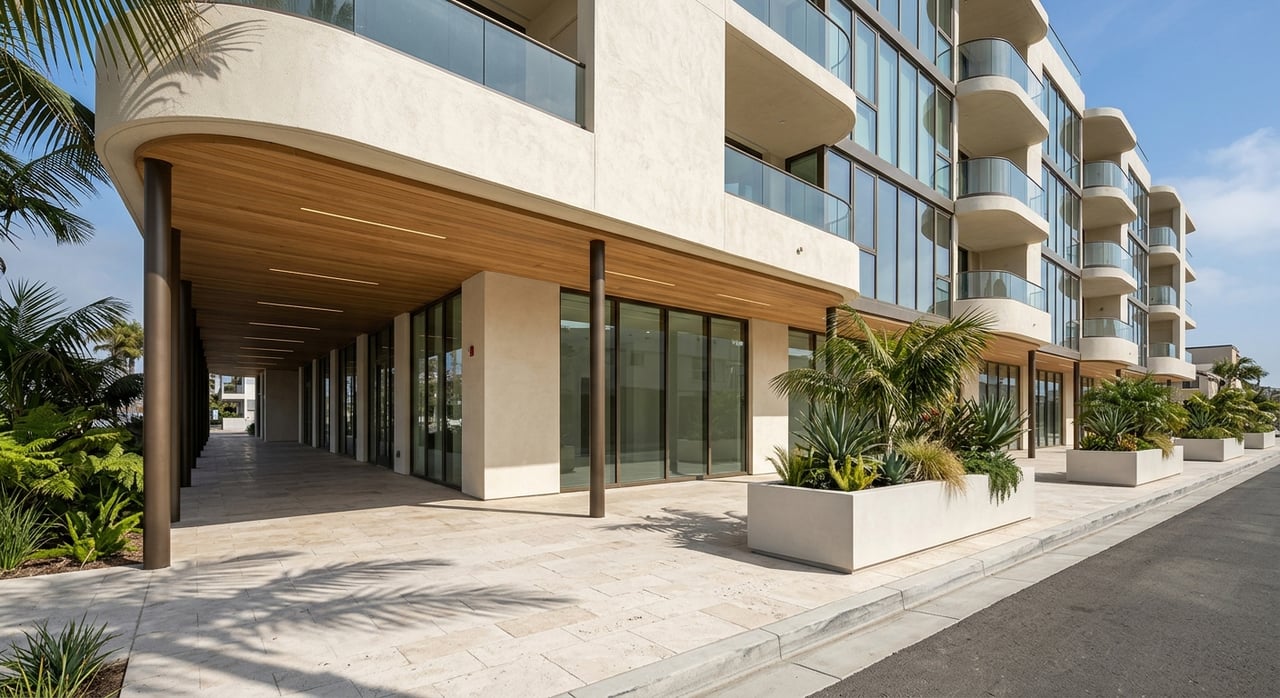
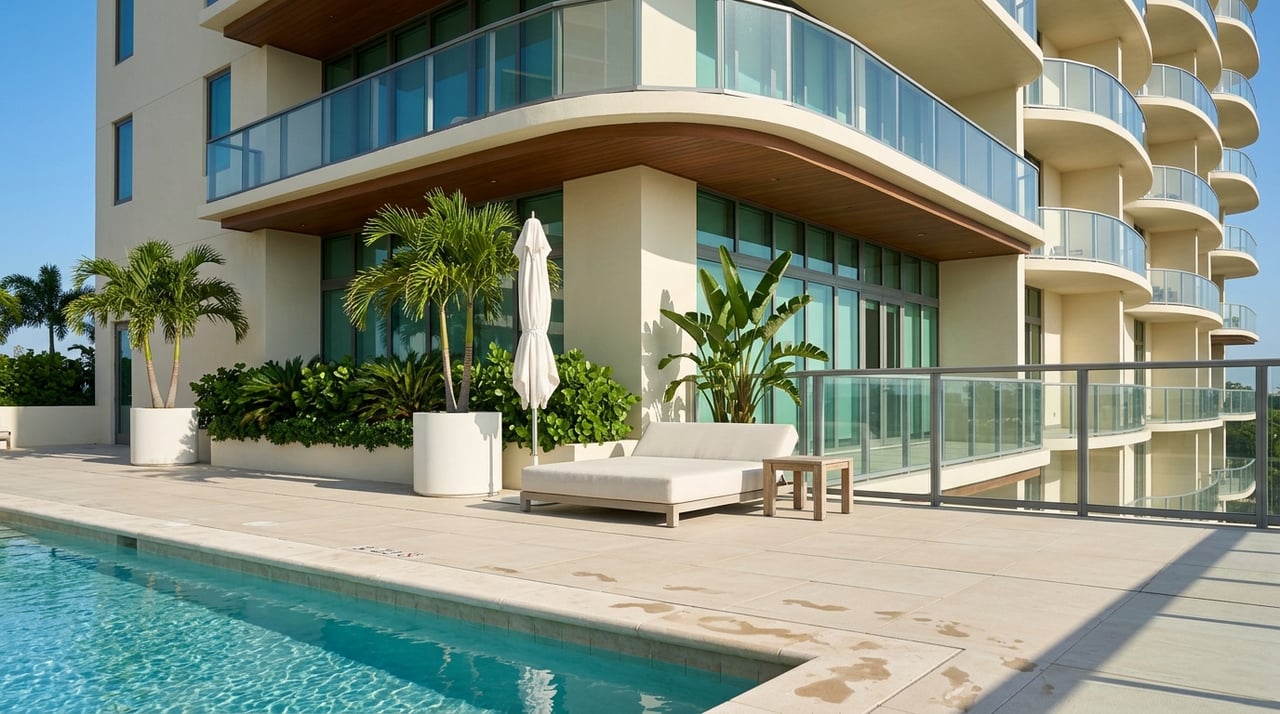
The best amenities are the ones you will actually use during shorter stays. A pool, fitness room, clubhouse, beach access, or staffed lobby can make a seasonal visit feel smooth from day one. More amenities are not always better if they do not support your real lifestyle.
Ask About On-Site Management
If you spend part of the year away, building operations deserve extra attention. Ask whether the condo has a live-in manager, full-time office staff, after-hours emergency response, package handling, or a rental desk. Florida law requires condominium associations to maintain official records, including management agreements, which can help you confirm how the building is run.
Confirm Parking and Storage
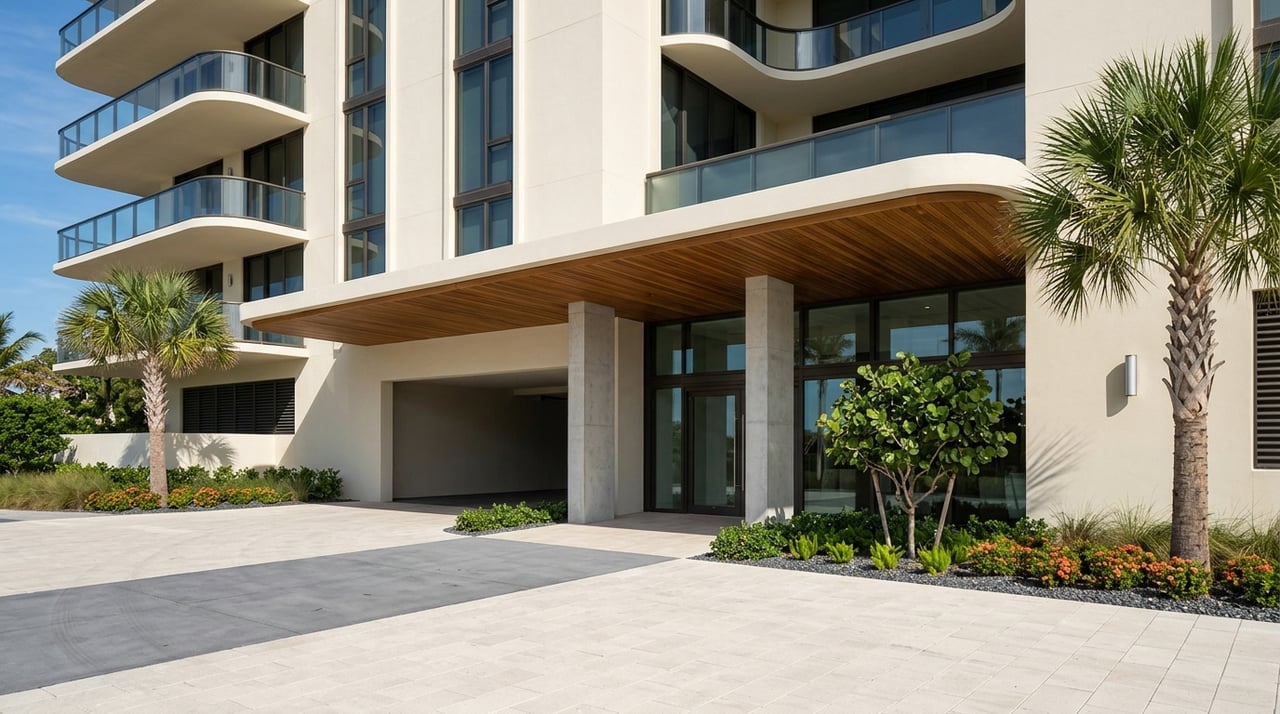
Parking and storage can have a major impact on seasonal use. You will want to know whether parking is deeded, assigned, or first-come, and whether guest parking is available. Storage for bikes, beach gear, or larger items can be more valuable than extra square footage when you are coming and going throughout the year.
Read the Rules Before You Fall in Love
A barrier island condo may fit your style perfectly, but the building rules still need to fit your plans. This matters even more if you expect to host guests or lease the unit when you are away. The details live in the condo documents, not in assumptions about the area.
Review Governing Documents Early
The declaration, bylaws, rules, and amendments are essential reading for any condo purchase. Florida law gives unit owners access to official records, and these documents are the clearest source for understanding how a building operates. If you want to know what ownership will really feel like, start there.
Check Guest and Stay Policies
Guest use and length-of-stay rules can vary widely from building to building. Florida condo law allows associations to enforce the declaration, bylaws, and reasonable rules, so occupancy expectations should always be confirmed in writing. This is especially important if you expect friends or family to visit often.
Understand Owner and Tenant Use
If you plan to lease the condo, pay attention to how common-area use rights work during that time. Florida guidance notes that when a unit is leased, the tenant generally holds the common-element use rights, and the owner is only considered a guest unless the tenant waives that right in writing. That can affect how you plan owner visits, guest access, and overlap periods.
Verify Rental Plans Carefully
Many seasonal buyers want flexibility to rent their condo during unused months. That can be a smart goal, but it should never be assumed. Both local rules and condominium rules can affect what is possible.
Confirm the Exact Building Rules
Minimum lease terms, guest caps, approval requirements, and owner-use restrictions are building-specific. One condo may allow a very different rental pattern than another just down the street. If rental flexibility matters, make that a key part of your screening process.
Check Sarasota City Rules
If the condo is within Sarasota city limits and you are considering short-term rental use, jurisdiction matters. The city’s current vacation-rental guidance states that registration requirements do not apply to condominiums or cooperatives, while also stating a 7-day, 7-night minimum for short-term vacation rentals in city limits. That makes it especially important to verify both the property’s location and the condo’s recorded rules before making plans.
Look Closely at Building Health
For a seasonal owner, surprise costs can feel even more disruptive because you are not on site to monitor issues closely. The financial and physical condition of the building should be part of your decision, not an afterthought. This is where strong due diligence can protect your time and your investment.
Review Reserves and Assessments
The Florida Department of Business and Professional Regulation says regular condo assessments are collected not less frequently than quarterly, while special assessments cover expenses outside the budget. That means you should understand both the routine carrying costs and the possibility of additional charges. A lower monthly fee does not always mean lower long-term cost.
Ask About Structural Reserve Studies
DBPR also says a residential condominium that is three stories or higher must have a structural integrity reserve study. That study covers major components including the roof, structure, fireproofing, plumbing, electrical systems, waterproofing and exterior painting, windows and exterior doors, plus other major deferred-maintenance items. For buyers who live elsewhere part of the year, this information offers an important window into future building needs.
Use Official Records as a Practical Tool
As of January 1, 2026, condominium associations managing 25 or more units must maintain a website or mobile application with core documents such as the declaration, bylaws, rules, budgets, financial reports, inspection reports, and the most recent structural integrity reserve study. For a seasonal buyer, that access can make it easier to evaluate the building from afar. It can also help you compare properties with more confidence and less guesswork.
Use a Simple Selection Filter
When you narrow your search, it helps to think in three layers: island vibe, building logistics, and association rules. That framework keeps you focused on how you will actually use the property. It also reduces the chance of choosing a condo that looks great but functions poorly for your seasonality.
Start With These Island Priorities
- Choose Longboat Key if you want a resort-style seasonal base with a polished feel and more services.
- Choose Lido Key and St. Armands if you want beach access with nearby dining, shopping, and walkability.
- Choose Siesta Key if you want a lively beach-and-village routine with easier beach logistics.
- Choose Casey Key if you want quiet, privacy, and a lower-density retreat.
Ask These Questions on Every Tour
- How often will you use the condo each year?
- Do you want a beach base, a village base, or a quieter retreat?
- How many guests are likely to stay with you?
- Do you plan to rent the unit while you are away?
- Do you need assigned parking, deeded storage, or guest parking?
- Do you prefer a staffed building or a lighter-service property?
- Are stricter guest rules acceptable if they come with more predictable common-area use?
Choose for Real Life
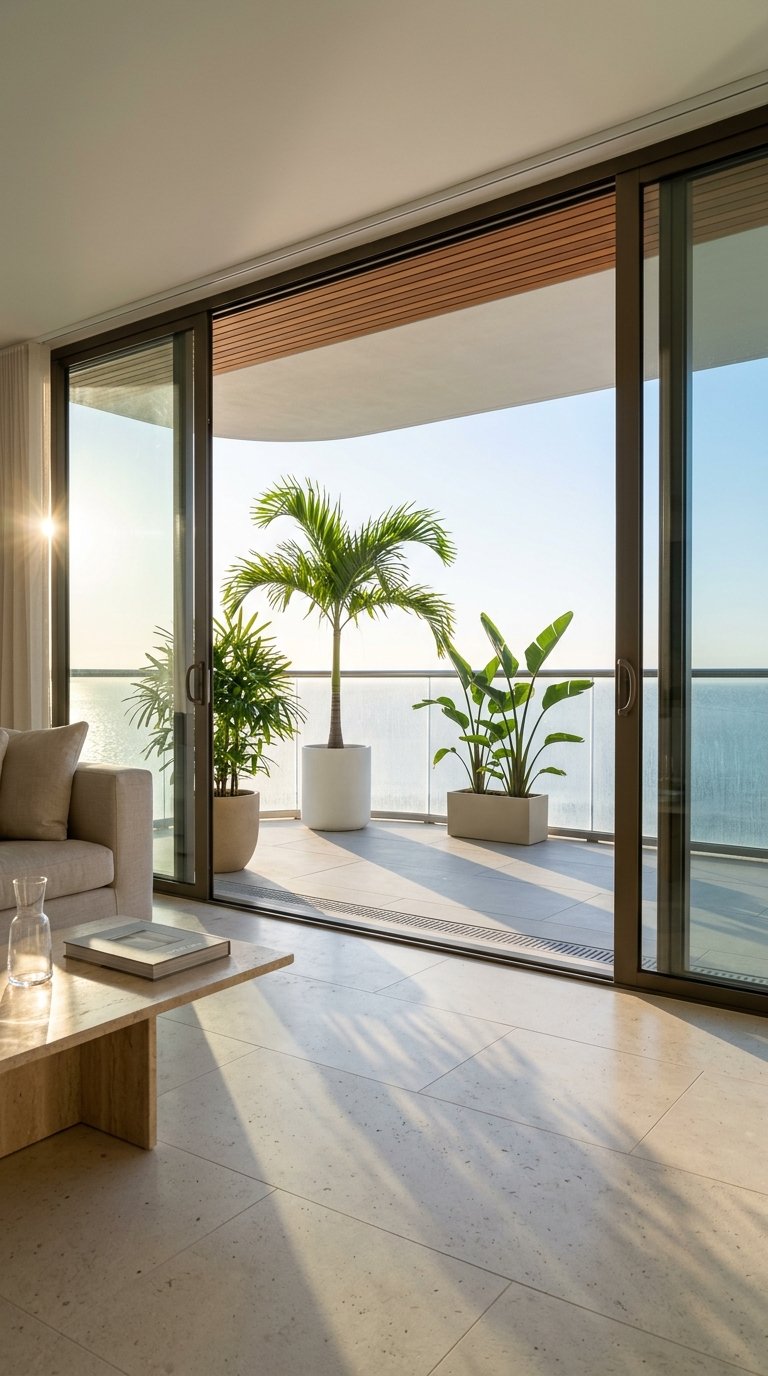
The best seasonal-use condo in Sarasota is usually not the one with the flashiest finishes or the biggest balcony. It is the one where the island setting, the building operations, and the condo rules all support your real pattern of arrivals, departures, guests, and time away. When those pieces line up, seasonal ownership feels simple in the best possible way.
If you are comparing Sarasota barrier-island condos and want a more tailored, property-by-property perspective, Teresa Tyrrell and Company can help you evaluate the lifestyle fit, building details, and ownership considerations that matter most.
FAQs
What should you look for first in a Sarasota barrier island condo?
- Start with island fit. Longboat Key, Lido Key, Siesta Key, and Casey Key each support a different seasonal lifestyle, so the setting should come before finishes or square footage.
Why do condo rules matter for seasonal use in Sarasota?
- Condo rules affect guest stays, leasing, owner use, parking, and common-area access, which can have a major impact on how easy the property is to enjoy throughout the year.
What building features help seasonal condo owners most?
- Features like a pool, fitness room, beach access, staffed lobby, on-site management, assigned parking, and storage often add more real value than extra interior space for seasonal owners.
Can you rent out a Sarasota barrier island condo when you are away?
- Possibly, but it depends on the exact condominium rules and the property’s jurisdiction. Minimum lease terms, approval procedures, and owner-use restrictions must be verified in the condo documents.
What should you review about a condo association before buying in Sarasota?
- Review the declaration, bylaws, rules, budgets, financial reports, inspection records, management setup, reserve information, and any structural integrity reserve study if applicable.
Which Sarasota barrier island is best for a quieter seasonal retreat?
- Casey Key is often the best match for buyers seeking more privacy and a lower-density setting, while Lido Key can also appeal to buyers who want a slower pace with easier access to nearby amenities.