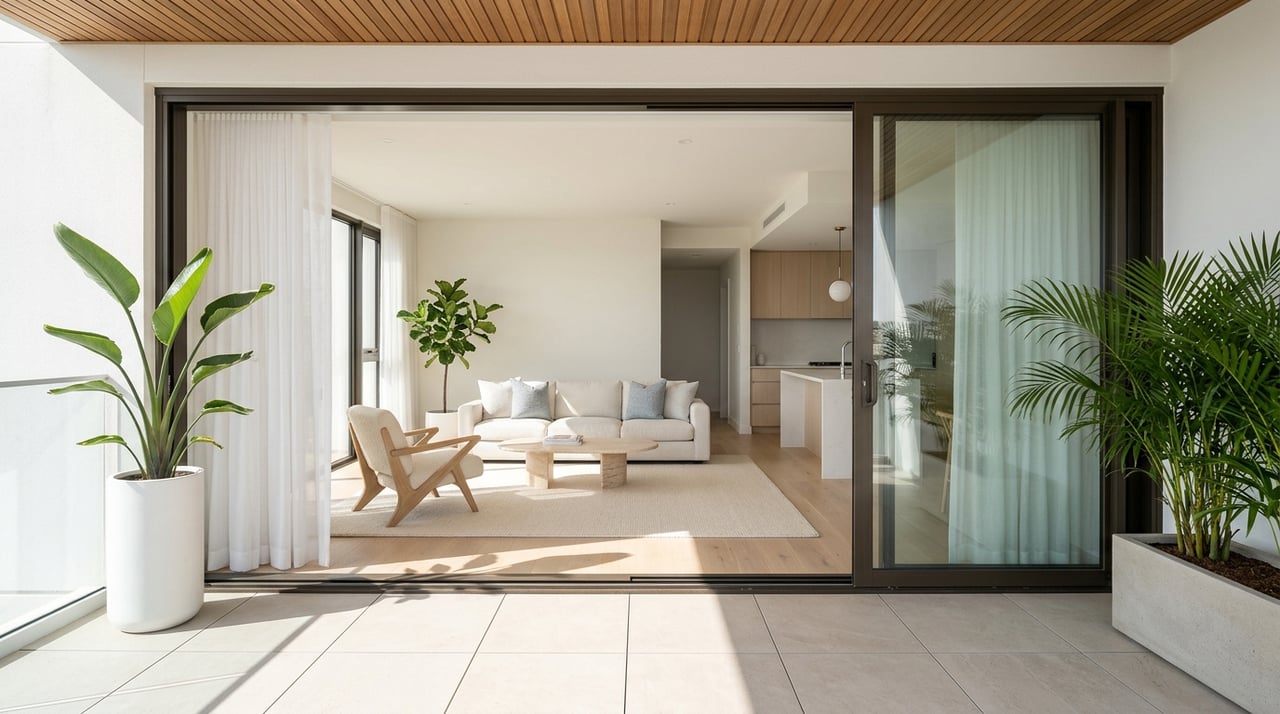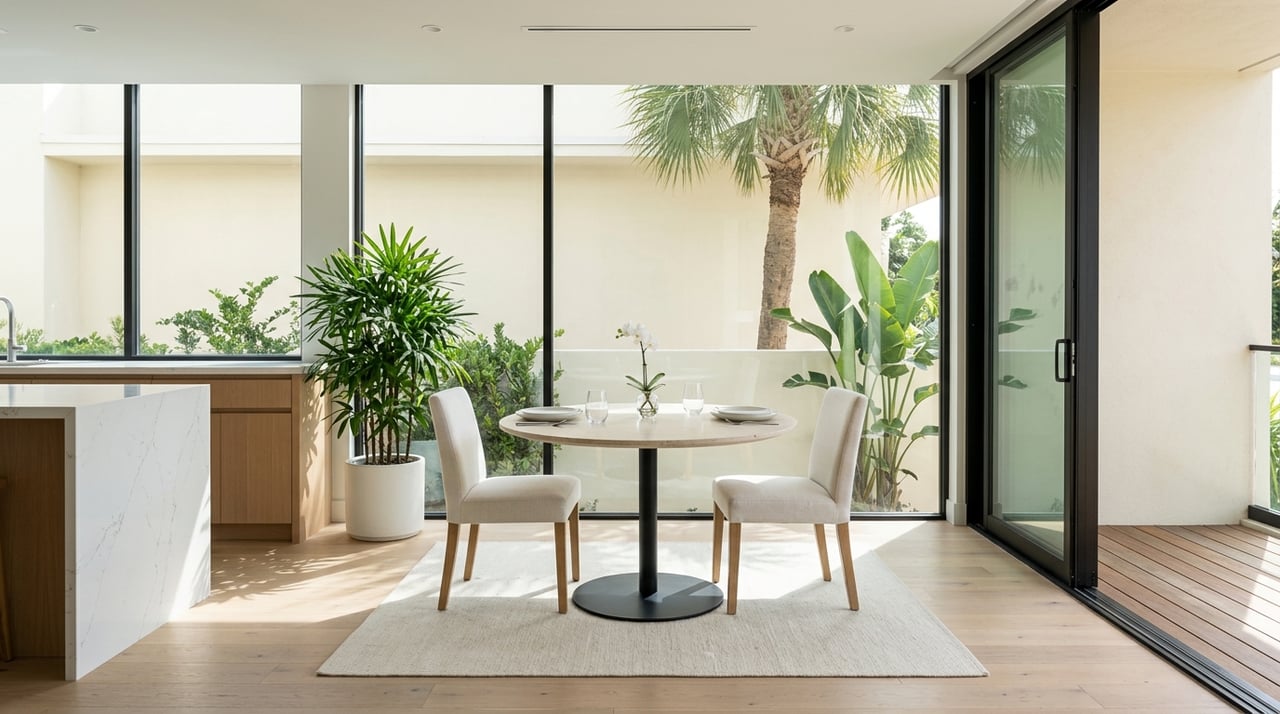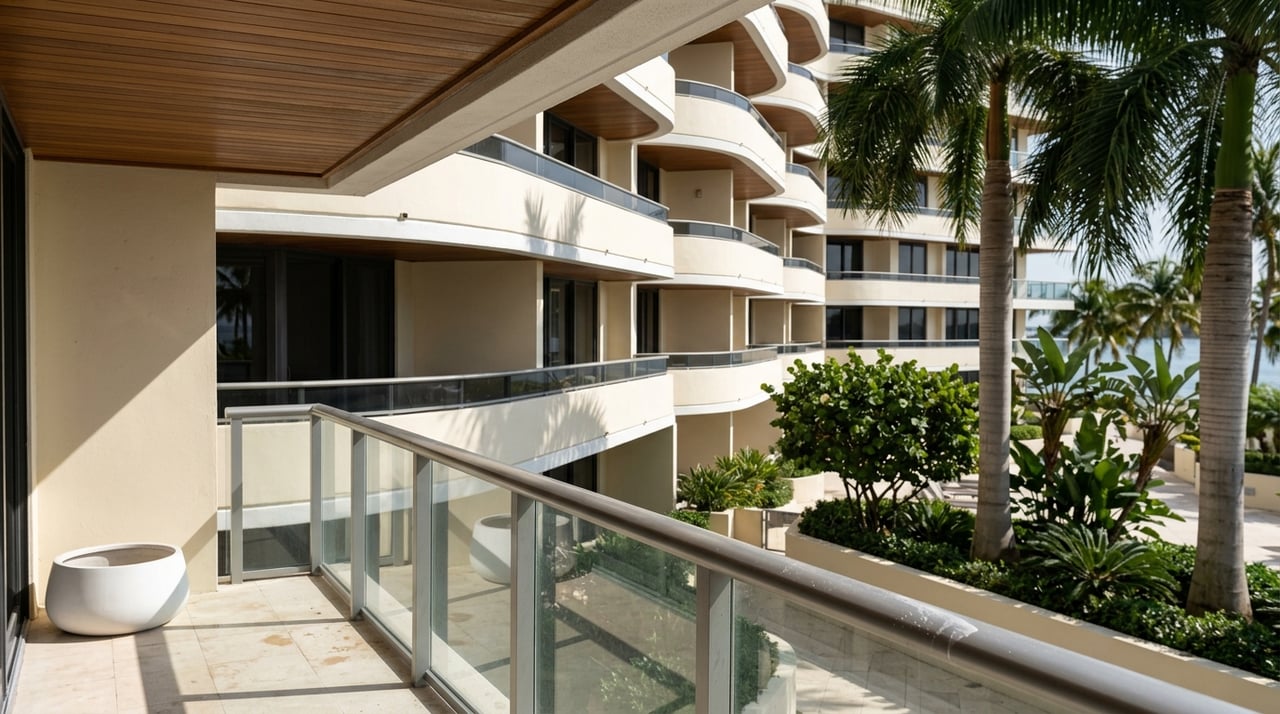
Picture this: you step out of your condo and stroll to dinner on St. Armands Circle, then catch a sunset at Lido Beach. If you want a second home that feels effortless, this island micro-market delivers convenience, culture, and strong seasonal appeal. In this guide, you’ll learn the key rules for rentals, what to look for in a condo association, how flood and insurance shape ownership, and a clear step-by-step plan. Let’s dive in.
Why St. Armands works for second homes
St. Armands pairs a compact retail and dining “Circle” with immediate beach access, giving you true walkability and a resort-like feel. The area sits within the City of Sarasota and adjacent to Lido Key, with quick access to the region’s arts and culture. Many buyers value the ability to use the condo part-time and capture high winter demand from visiting snowbirds. Learn more about the neighborhood’s setting and services on the City’s page for St. Armands Circle.
At a high level, this is a premium micro-market with limited inventory. Neighborhood listing medians often trend above county medians, and a small number of high-end listings can skew impressions. For specific valuation, rely on current MLS comps rather than a single median pulled out of context. Explore general neighborhood context on Redfin’s Sarasota page.
Understand rental rules before you buy
City of Sarasota weekly rentals
St. Armands is inside the City of Sarasota, which uses a citywide vacation-rental registration program. The City requires a minimum 7-night stay for vacation rentals, along with safety, parking, and point-of-contact rules. If short-term rental income matters to your plan, confirm building eligibility and complete the City registration before advertising. See the City’s vacation rental registration requirements.
City vs county boundaries matter
Short-term rental rules differ outside City limits. In many unincorporated county areas, most single-family parcels cannot be rented for fewer than 30 days, with narrow exceptions. Always verify that a property sits inside the City of Sarasota and confirm which rules apply. For a county overview, review this summary from the Sarasota County Council of Neighborhood Associations.
Association due diligence that protects you
Buying a lock-and-leave condo means your experience depends on the building and its board. Build these checks into your offer timeline.
Governing documents and rental rules
Read the declaration, bylaws, and rules to confirm leasing minimums, any short-term restrictions, subletting caps, pet policies, and parking assignments. Check for amendments that apply only to buyers after a certain date. Association duties and records access are outlined in Florida Statutes 718.111.
Financials, reserves, and assessments
Request the current budget, recent financial statements, reserve study or structural integrity reserve study, plus 12 to 36 months of board minutes. Look for special assessments, deferred maintenance, or capital projects in the pipeline. Older coastal buildings should show strong reserve planning.
Insurance and master policy
Florida requires associations to maintain adequate property insurance based on an independent appraisal every 36 months. Review the declarations page, wind and hurricane deductibles, and whether flood coverage is carried. Plan for an HO-6 policy that includes robust loss-assessment coverage. Statutory insurance requirements are in Florida Statutes 718.111.
Milestone structural inspections
Condo buildings 3+ stories face mandatory milestone inspections at 30 years from their certificate of occupancy, or at 25 years within 3 miles of the coast. Obtain the Phase 1 report and any Phase 2 findings or repair plans. These documents can affect financing, insurance, and resale. See inspection rules in Florida Statutes 553.899.
Coastal maintenance realities
Ask about elevator service logs, roof replacement dates, balcony and rebar remediation, exterior paint timelines, and moisture intrusion repairs. Inside the unit, review HVAC age and service, window and door condition, any hurricane protection, and plumbing history.
Insurance, flood, and hurricane readiness
Flood zones on St. Armands vary by parcel. Many sites near the bay or beach fall within special flood hazard areas, which can affect premiums and lender requirements. Check the parcel on the FEMA Flood Map Service Center and request an elevation certificate if needed.
Confirm how your master policy and HO-6 interact. Most master policies exclude interior finishes and owner upgrades, so your HO-6 should match those gaps and include loss-assessment limits. For a Florida-focused overview of association coverage vs unit-owner needs, review this condo association insurance guide.
Ask the building about storm plans, shutter requirements, generator capacity for elevators, and pre-storm protocols. For a lock-and-leave setup, consider smart thermostats, leak sensors, and a local manager who can secure the condo before a storm.
Amenities and unit choices that add value
- Walkability to the Circle, dining, and services often drives both personal enjoyment and rental appeal.
- Lido Beach proximity and water views can command premiums, paired with higher flood exposure and insurance considerations.
- Parking is valuable around the Circle. Deeded garage or assigned spaces are a plus. Learn more about the district on the St. Armands Circle page.
- Consider elevator access vs walk-up and match the floor level to your comfort and mobility preferences.
Market timing and pricing strategy
Countywide, the condo and townhome segment softened in 2025 compared with recent years. Median prices and sales velocity eased while inventory expanded, creating more buyer leverage in many price bands. Cash remains a large share of condo transactions, which shapes negotiation and timelines. Review the Realtor Association of Sarasota & Manatee year-end data before you price or write an offer.
Plan your calendar around seasonality. Peak snowbird season typically runs mid-November through late March or April, with bookings taken months ahead. Shoulder and summer periods see different demand and pricing. Get a feel for timing using this winter season overview.
Step-by-step purchase plan
1) Pre-offer research, 1 to 3 weeks
- Confirm City limits and short-term eligibility for the building and unit using the City’s vacation rental page.
- Pull recent MLS comps and scan county-level condo trends in the RASM report.
- Check the parcel’s flood zone on FEMA’s map and note whether an elevation certificate will be required.
2) Offer through contract, 30 to 60 days
- Make your offer contingent on reviewing the declaration, bylaws, rules, financials, reserve studies, insurance declarations, and 12 to 36 months of board minutes. See owner records rights in Florida Statutes 718.111.
- For buildings 3+ stories near the 25 or 30-year mark, request the milestone inspection report and any Phase 2 findings or repair plan per Florida Statutes 553.899.
3) Inspections and insurance quotes
- Use a licensed inspector experienced with coastal condos to evaluate the unit, HVAC, moisture, and windows/doors.
- If Phase 2 work is underway, consider an engineering opinion on the scope and funding plan.
- Obtain HO-6 and flood quotes and confirm the association’s master policy deductible and whether reserves support it.
4) Post-closing setup
- Provide the association with proof of insurance and updated contacts.
- Establish local property management if desired, plus mail, utilities, and parking or permit logistics.
- Introduce yourself to building management and clarify storm and maintenance procedures.
What to budget for
- Association dues and any special assessments, based on current budgets and reserve studies.
- HO-6 premiums, flood insurance where required, and potential windstorm coverage.
- Property management for out-of-area owners, plus housekeeping between guest stays.
- City vacation-rental registration fees if renting weekly, and state transient rental tax for stays under six months. Tourist Development taxes may apply; verify current rates with the county tax collector.
Smart lock-and-leave setup
A low-touch second home starts with the basics: durable furnishings, smart locks, and surge protection. Add remote control of A/C and the main water supply, plus leak sensors. Keep warranty documentation and a short list of vetted local vendors.
If you plan to rent, many owners rely on a local property manager for guest check-ins, housekeeping, emergency response, and hurricane prep. The City’s vacation-rental rules require a 24/7 local contact for registered units, which a manager can provide. Review the City’s rental requirements when interviewing managers.
Ready to explore St. Armands?
When you blend the Circle’s walkable lifestyle with smart due diligence, a St. Armands condo can be a stress-free base for both play and seasonal income. If you want curated on- and off-market options, a clean pricing strategy, and a smooth plan from tour to closing, let’s talk. Schedule a Private Consultation with Teresa Tyrrell and Company.
FAQs
Can I rent a St. Armands condo weekly?
- The City of Sarasota allows registered vacation rentals with a minimum 7-night stay, but your condo association must also permit short-term leasing. Confirm both the City rules and the building’s governing documents.
How do flood zones impact a St. Armands condo?
- Flood risk is parcel specific. Many properties sit in special flood hazard areas, which can require flood insurance and affect premiums. Check the parcel on FEMA’s map and obtain an elevation certificate if needed.
What should I review in condo financials?
- Focus on current budgets, reserve studies, recent financials, and 12 to 36 months of board minutes. Low reserves combined with upcoming projects or milestone repairs can signal a higher risk of special assessments.
What insurance do I need as a condo owner?
- The association insures the structure and common elements. You will likely need an HO-6 policy for interiors and personal property, plus strong loss-assessment coverage. Confirm how the master policy deductible is handled.
When is the best time to secure seasonal bookings?
- Winter season typically runs mid-November through late March or April. Reserve early for those months and adjust pricing for shoulder and summer periods to match demand.