Craving an urban Sarasota lifestyle where you can walk to coffee, culture, and the water? If you are weighing the Rosemary District against the downtown bayfront core, you are not alone. Both offer design-forward condo living, but the scale, vibe, and ownership details feel different once you are on the ground. This guide gives you a clear, side-by-side look plus a practical checklist to help you decide which fits your daily rhythm. Let’s dive in.
Rosemary at a glance
The Rosemary District sits just north of downtown Sarasota and feels close to everything. The neighborhood is compact and easy to navigate, with boundaries that run from US 41 on the west to Orange Avenue on the east, and from Fruitville Road up to 10th Street. You can confirm the footprint and key resources on the neighborhood map. The small scale means quick walks and simple daily routines.
Rosemary reads as creative and mixed use. You will see restored bungalows and small historic buildings next to mid-rise infill, boutique storefronts, and a handful of new luxury condos. The street life is lively and design-forward, with independent shops and cafés woven into the blocks. It feels like a neighborhood where you know your routes and favorite stops within a week.
For walkability, Rosemary ranks among Sarasota’s best. Walk Score rates the area as very walkable with strong bikeability and moderate transit. In practice, most errands and cultural outings fall within a 5 to 15 minute walk from a central Rosemary address.
Rosemary vs downtown core
Built form and feel
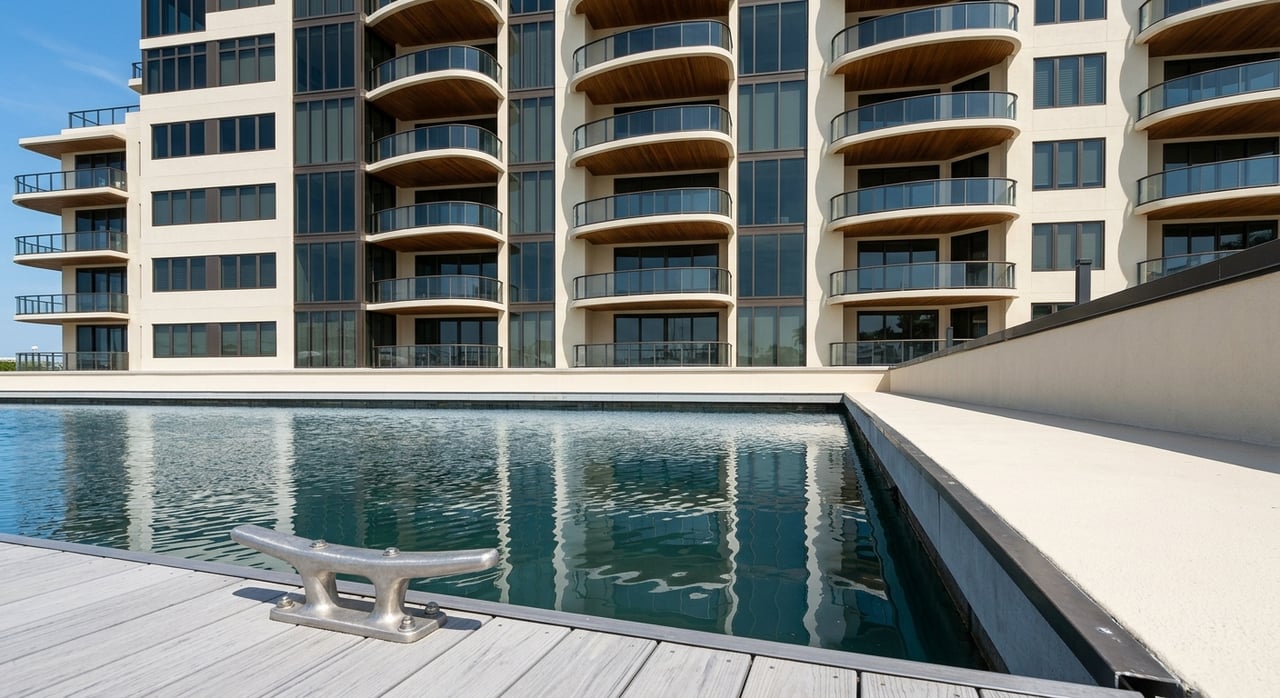
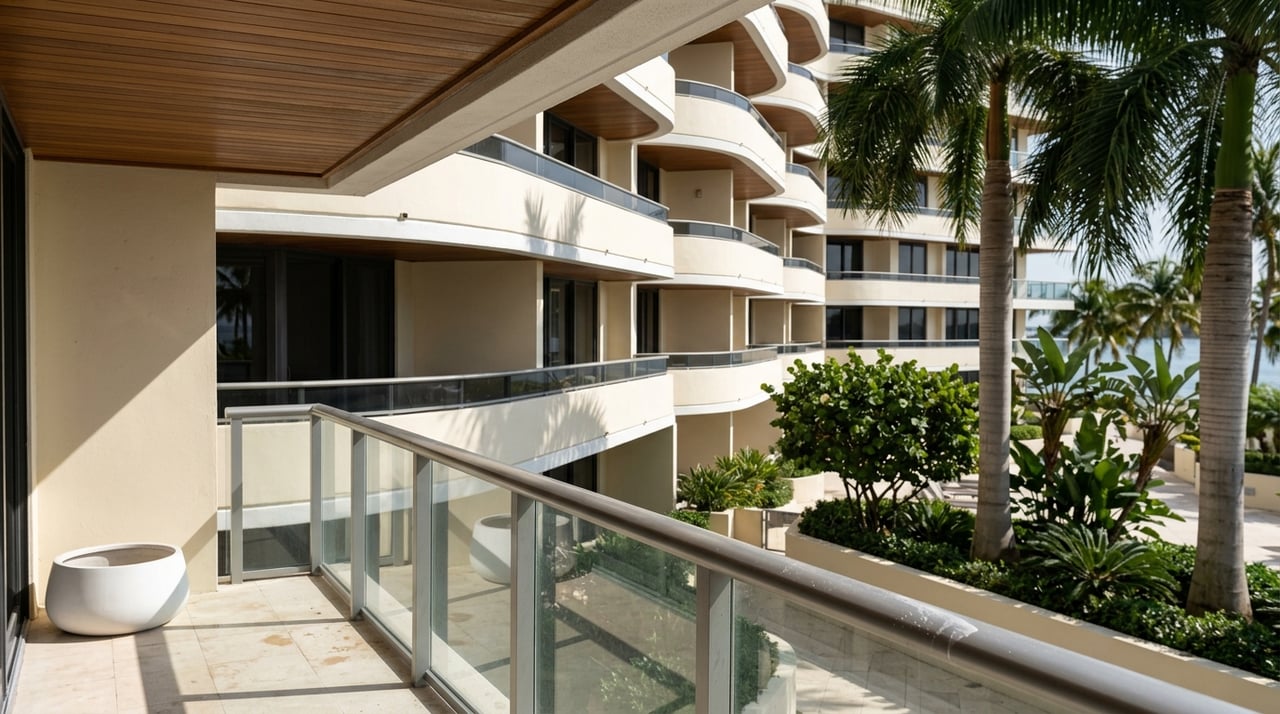
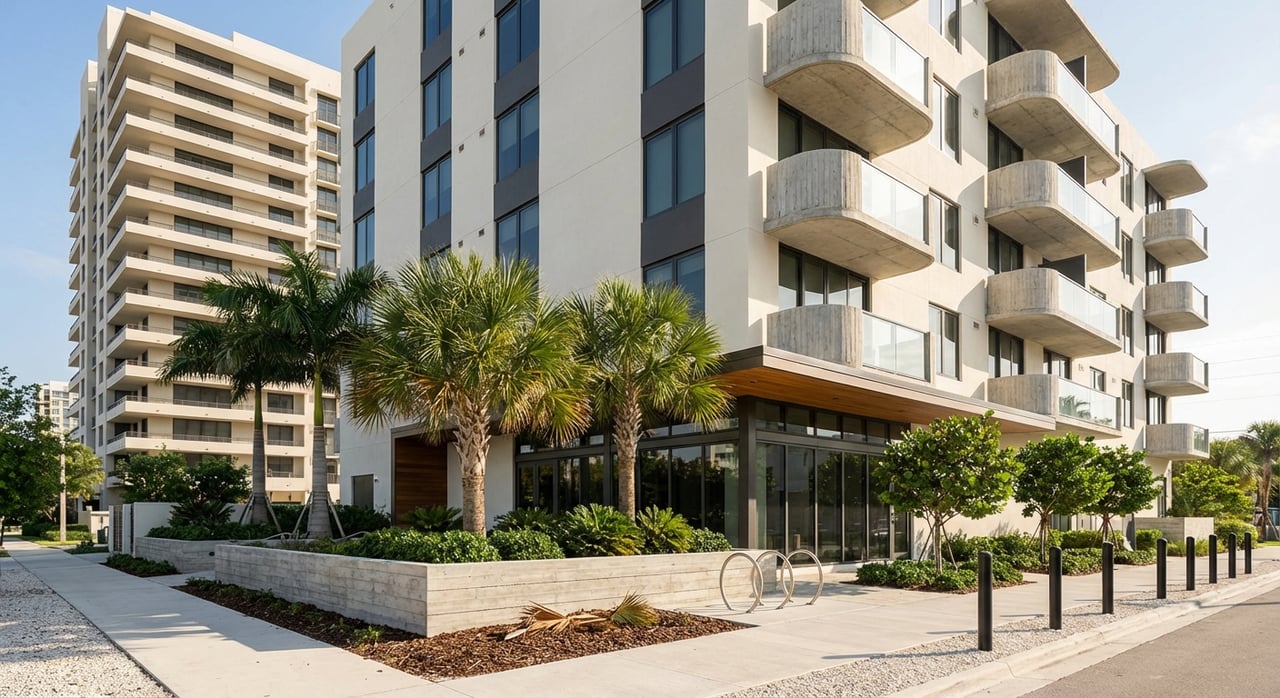
If you prefer smaller-scale architecture and a creative street scene, Rosemary’s low-rise blocks and adaptive-reuse storefronts will likely feel right. You will find renovated cottages, studio spaces, and mid-rise mixed-use buildings. At the same time, Rosemary now includes upscale boutique towers such as Alinari, BLVD, and The Gallery, with single-level living, generous finishes, and resort amenities that appeal to downsizers.
Downtown’s bayfront core places you amid the highest concentration of full-service waterfront towers and large cultural venues. If you prize panoramic bay or city views and a service-heavy lifestyle with valet and 24-hour front desks, the core will deliver that experience in a more formal, vertical setting.
Price patterns to watch
Median prices differ by micro-market and change with inventory mix. As a snapshot, Redfin’s Rosemary District page recently showed a median around 635,000 dollars, while Redfin’s Downtown Sarasota page reflected a higher median around 945,000 dollars. Treat these medians as directional, not definitive. Luxury tower listings inside Rosemary can overlap with downtown pricing, and individual building variables matter. Always check current MLS comps and association details before finalizing value.
Daily life and culture
Cultural anchors within reach
From Rosemary, you can walk to downtown theaters and the bayfront in minutes. The Van Wezel Performing Arts Hall and the Sarasota Opera House sit within the same compact cultural cluster, which makes evening plans simple. The short distance is a big part of the appeal if you want low-effort nights out.
The Bay as a new backyard
The city’s signature waterfront park, The Bay, continues to reshape downtown living. Phase 1 added a playground, a boardwalk, The Nest café, mangrove restoration, and a long waterfront promenade. Explore current features on The Bay’s official page. Programming and events here boost walkable recreation for both Rosemary and downtown residents and influence foot-traffic patterns along the bayfront edge.
Creative energy in Rosemary
Rosemary’s independent makers market, artist-focused programming, and small creative businesses add texture to the neighborhood’s day-to-day. This frequent, local-scale activity is part of what sets Rosemary apart if you want a more intimate, design-forward community feel.
Condo ownership details to check
HOA dues and services
Newer full-service towers often include pools, fitness centers, staffed lobbies, and covered parking, which can translate to higher monthly dues. Smaller low-rise buildings or townhomes may have lower dues but different maintenance responsibilities. Always request the association budget, reserve study, master insurance certificate, and 12 months of meeting minutes so you understand cost drivers and any upcoming projects.
SIRS requirements in Florida
Florida now requires Structural Integrity Reserve Studies for many buildings that are three stories or higher. SIRS findings must be prepared by qualified professionals, and funding for identified structural items faces tighter rules on future budgets. Review the building’s latest SIRS, milestone or structural inspection date, and the plan to fund SIRS items. Get background on the framework from this Florida SIRS guidance.
Insurance and assessment exposure
Condo owners typically carry a unit-owner policy that includes interior finishes, personal property, and loss assessment coverage. The association’s master policy and its deductibles, including wind or hurricane deductibles, can affect the size of special assessments after storms. Learn how loss assessments work and what to ask for by reviewing this Florida condo insurance practice note. Always obtain the master policy and deductible schedule during diligence.
Flood maps and elevation
Sarasota’s FEMA Flood Insurance Rate Maps were updated in March 2024. Check the specific property’s FEMA flood zone, request the building’s elevation certificate if available, and ask for current flood premiums for both the association and unit owners. Start with the city’s flood map information page.
Short-term rental rules
If you plan to rent seasonally or as a vacation rental, confirm both city rules and the association’s lease minimums. The City of Sarasota requires vacation-rental registration for qualifying units and sets minimum stays. Many condominium bylaws add their own restrictions. Review the city’s vacation rental program details and request the condo’s rental policy before you buy.
Parking and storage
Rosemary’s compact grid and downtown’s garages create different parking patterns. If you drive often, verify deeded covered parking, guest-parking rules, and any storage allocation. Design-minded downsizers should also confirm elevator access and plan for right-sized storage.
Quick fit guide
Rosemary District fit
- Pros: Compact, creative, and very walkable with independent cafés and boutiques, plus quick walks to downtown venues. Upscale boutique towers exist alongside lower-scale blocks for a neighborhood feel.
- Cons: Ongoing infill can mean active construction. Newer buildings may carry higher HOA dues. Flood, insurance, and SIRS details vary by building, so diligence is essential.
Downtown bayfront fit
- Pros: Maximum proximity to large cultural venues and waterfront parks, plus full-service bayfront towers with prestige amenities and panoramic views.
- Cons: Higher price points and often higher monthly dues. Busier tourist traffic and potential coastal-storm exposure depend on the exact site and building management.
Your evaluation checklist
Use this step-by-step list to confirm fit and manage risk like a pro:
- Visit three times: morning, midday, and evening, both weekday and weekend. Note noise, theater-night crowds, and event patterns from The Bay.
- Time your daily routes on foot: grocery, coffee, theater, and park. Use Walk Score as a quick metric, then trust what you see on the ground.
- Request association documents early: budget, latest reserve study or SIRS, minutes for the last 12 months, master insurance certificate with deductibles, and rental plus parking rules. Ask if SIRS funding is built into the current budget.
- Confirm parking and storage: deeded spaces, guest rules, storage lockers, terrace size, ceiling heights, and elevator service. Ask about any elevator outage history.
- Verify flood zone and elevation: pull the FEMA panel, get the building elevation certificate, and confirm association and unit flood premiums.
- If you need rental flexibility: confirm the condo lease minimums and whether the unit requires city vacation-rental registration or any additional licensing or bed taxes.
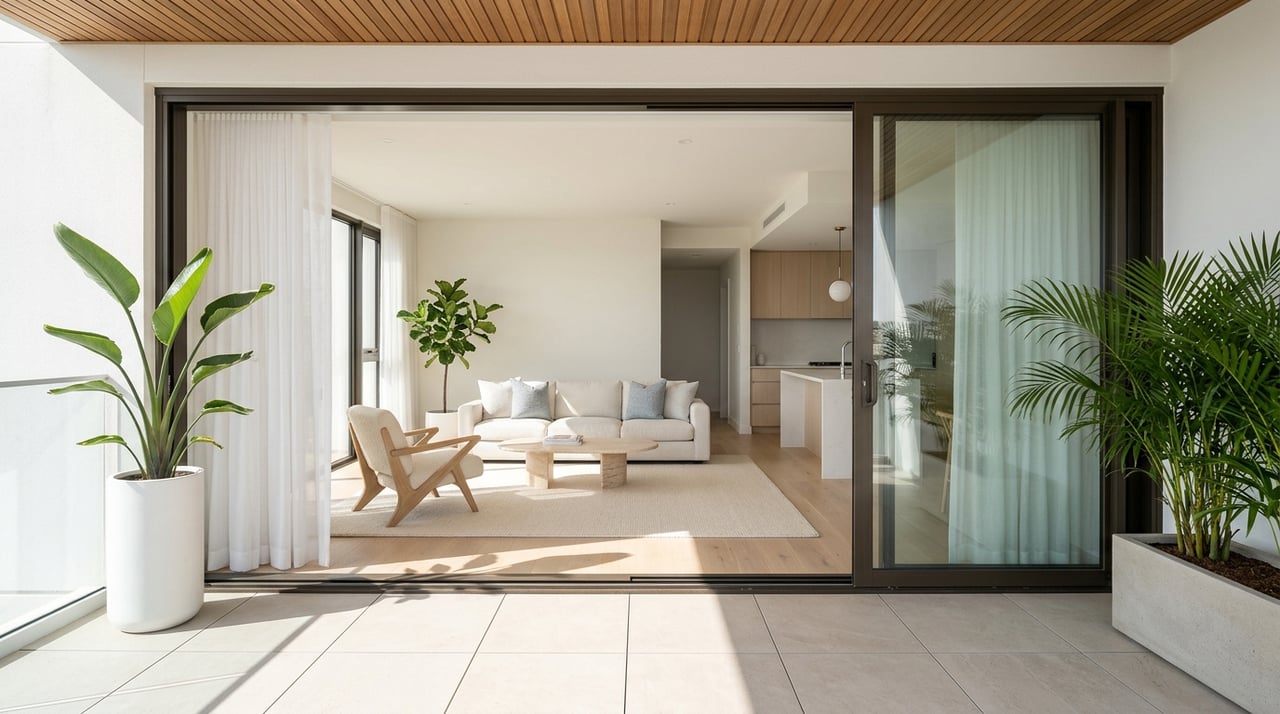
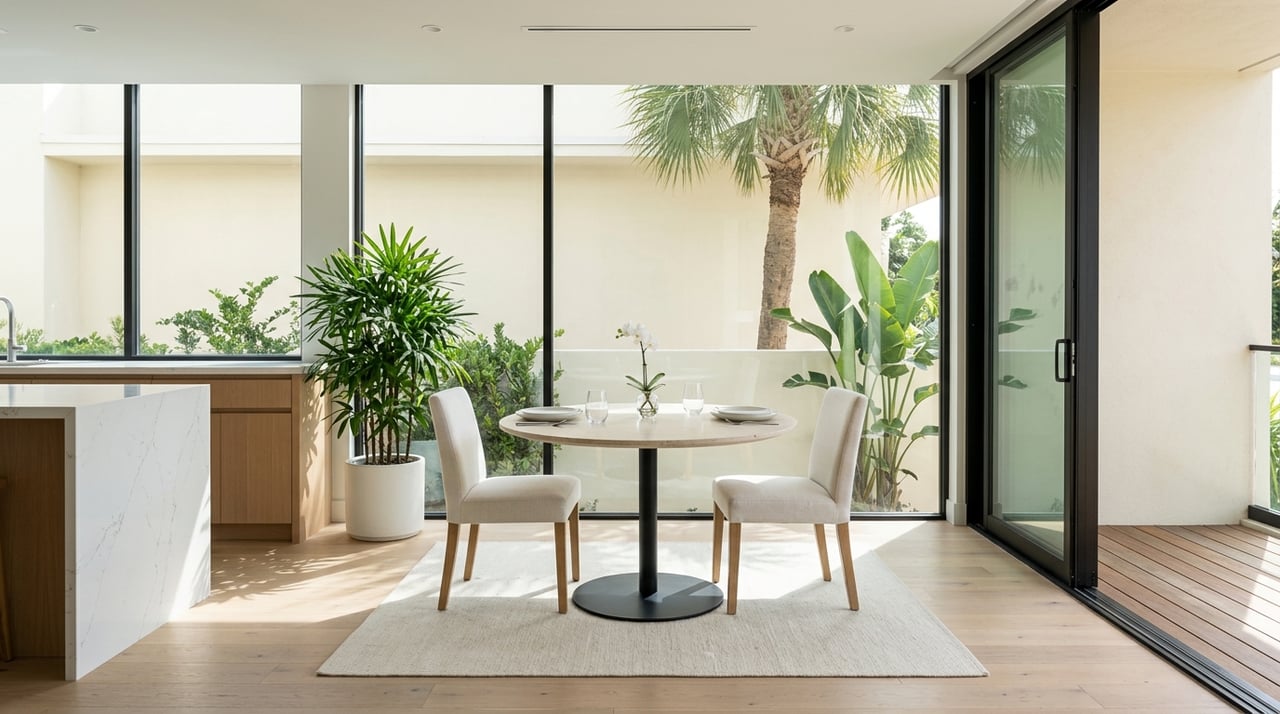
- For design details: assess natural light, terrace orientation, and scope for interior upgrades. Request recent photos of typical units, not just marketing images.
- Ask for the 5-year capital plan: confirm any pending or planned assessments tied to structural or building-system work.
Ready to compare buildings?
If you want Rosemary’s neighborhood energy with luxury living, start by touring representative buildings. Alinari and BLVD illustrate the upscale, full-amenity side of Rosemary. The Gallery brings a boutique, design-forward option that aligns well with second-home and downsizer priorities. In the downtown core, expect more bayfront trophies and full-service towers with larger staffs and formal amenities.
When you are ready to see how each option lives in real time, schedule private tours tailored to your walk patterns and priorities. For curated access to new construction and top resale inventory in both Rosemary and the downtown core, connect with Teresa Tyrrell and Company.
FAQs
What is the Rosemary District and where is it located?
- The Rosemary District is a compact neighborhood just north of downtown Sarasota, bounded by US 41, 10th Street, Orange Avenue, and Fruitville Road, which makes it highly walkable.
How walkable is Rosemary compared to downtown Sarasota?
- Walk Score rates Rosemary as very walkable with strong bikeability and moderate transit, so most daily errands and cultural outings are within a short walk.
What condo styles dominate the Rosemary District?
- You will find a mix of renovated low-rise homes, adaptive-reuse storefronts, mid-rise mixed-use buildings, and several boutique luxury towers that offer resort-style amenities.
How do prices compare between Rosemary and the downtown bayfront core?
- Recent Redfin medians show Rosemary trending below the downtown core, but luxury segments overlap; always verify with current MLS comps and building-level details.
What should I know about Florida’s SIRS rules for condos?
- Many buildings with three or more stories must complete a Structural Integrity Reserve Study, and associations face tighter rules on funding those structural reserves.
How does The Bay waterfront park affect daily life?
- The Bay adds a major recreational and cultural amenity with a promenade, café, and regular programming that increases walkable options for both Rosemary and downtown residents.
What are Sarasota’s short-term rental rules for condos?
- The city requires vacation-rental registration for qualifying units and sets minimum stay rules, while many condo associations add their own lease restrictions.